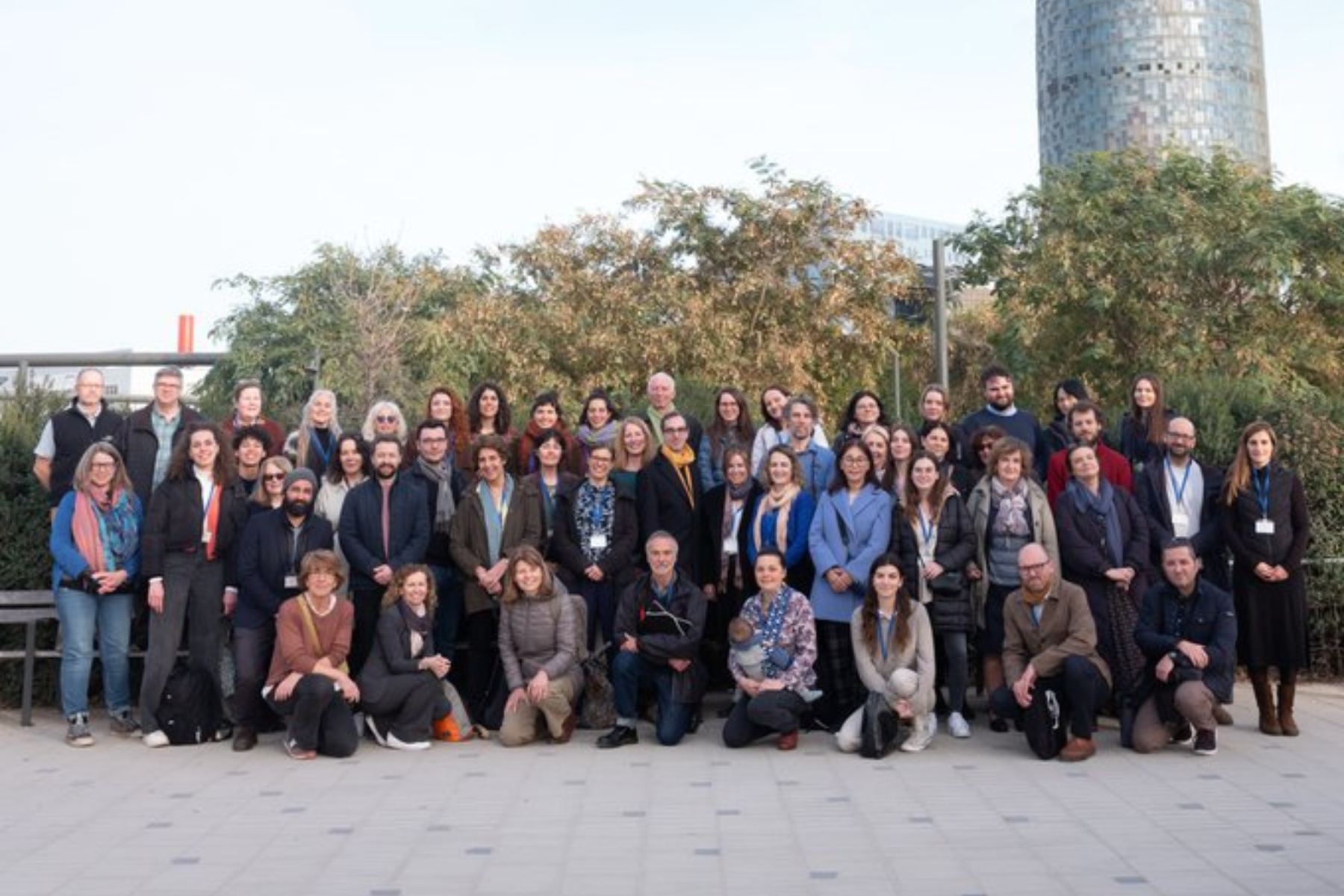
Nature, mental health, and equity. Highlights from the kick-off meeting of the GreenME project
The pioneering GreenME project will study how exposure to nature can be integrated in healthcare systems to treat and improve mental health for all....

Nature, mental health, and equity. Highlights from the kick-off meeting of the GreenME project
The pioneering GreenME project will study how exposure to nature can be integrated in healthcare systems to treat and improve mental health for all....
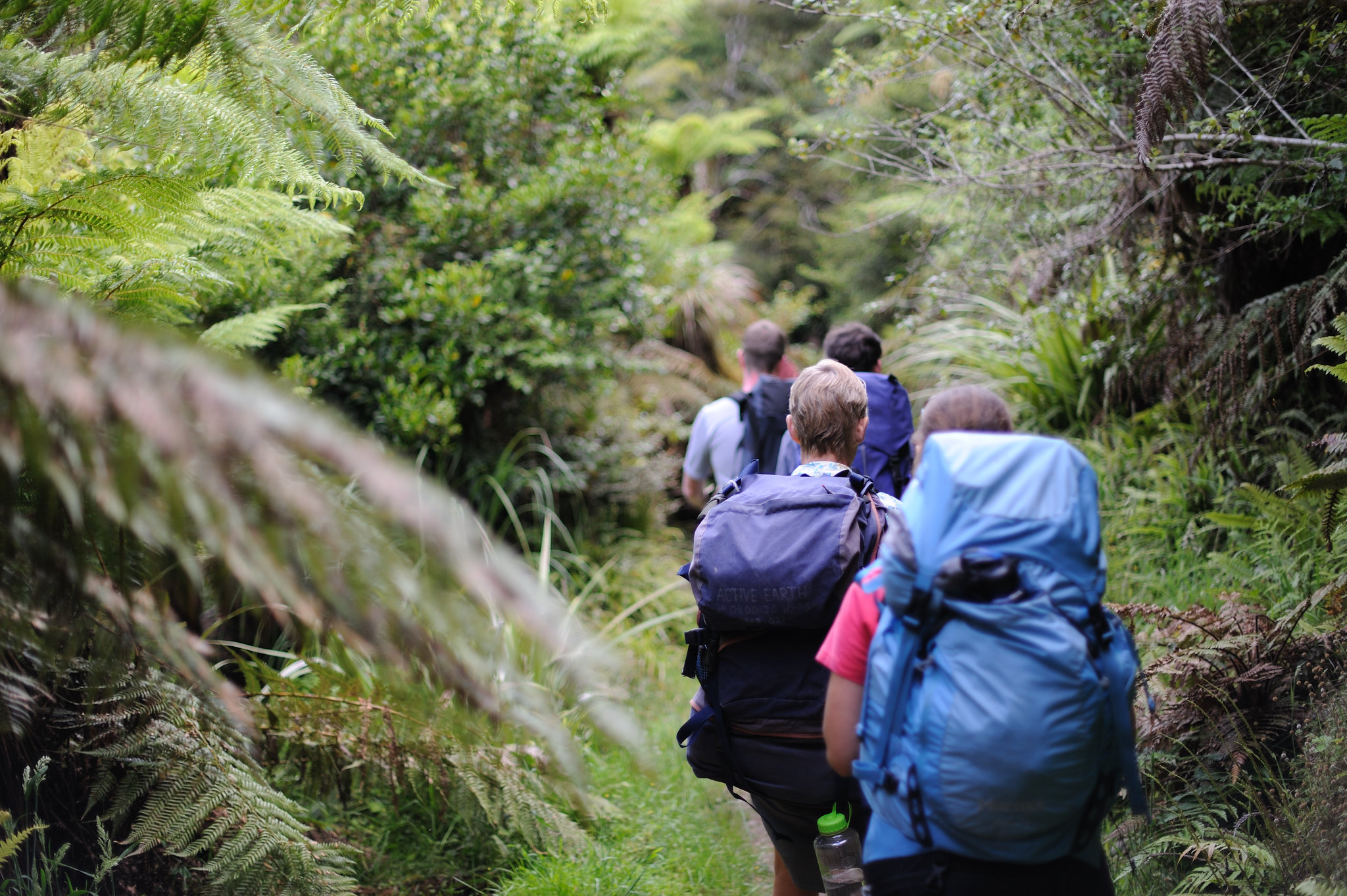
Seven years ago the Green Care Coalition (GCC) was set up to promote the commissioning and use of Green Care services. The term Green Care is an umbrella term that covers;
Social and Therapeutic Horticulture Care farming Ecotherapy Animal...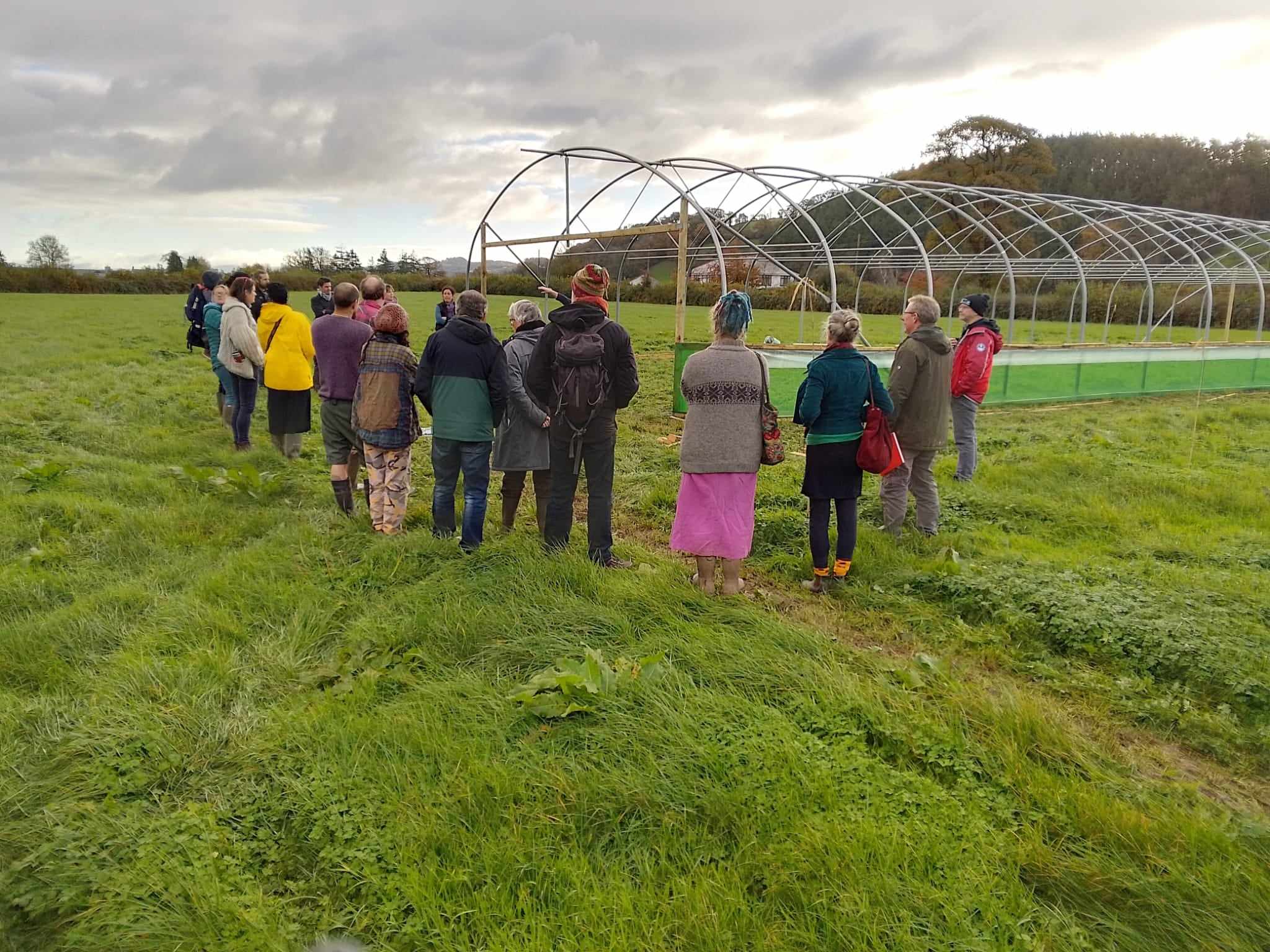
*Cymraeg isod
Carmarthenshire Growers in Collaboration to Increase County’s Fruit & Veg Supply / Tyfwyr Sir Gaerfyrddin yn Cydweithio i Gynyddu Cyflenwad Ffrwythau a Llysiau’r SirWe were delighted to welcome over ten growers and farmers to...
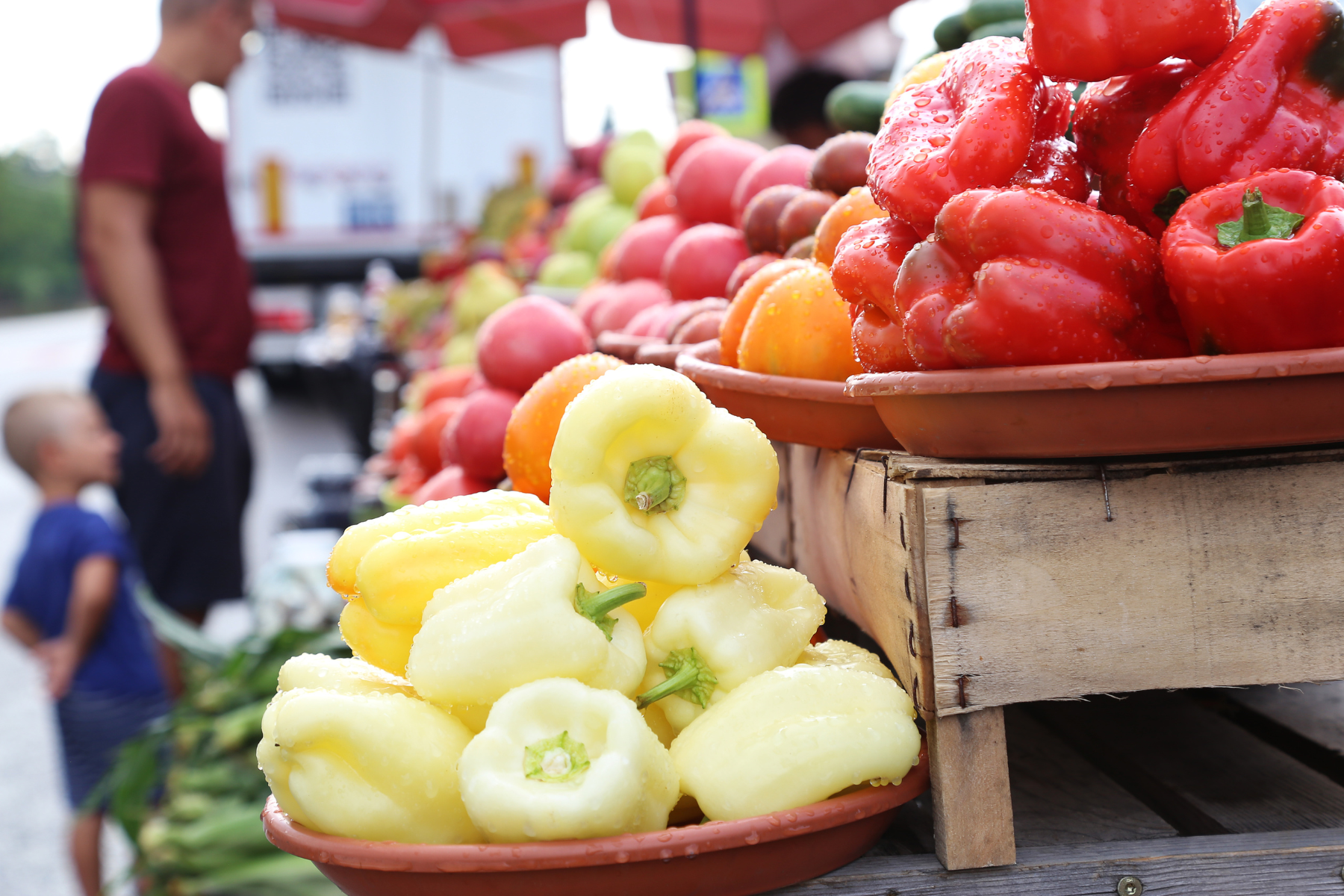
Camau Gwyrdd is a new three year Wales project funded by the National Lottery Community Fund and aims to remove barriers to tackling climate change through inspiring and empowering individuals and their communities to take their first steps towards...
For the second year running, we’re partnering with HelloFresh (recipe box extraordinaires) to support SF&G members in running activities to educate consumers about food and encourage more sustainable habits. This year, there is a particular focus...
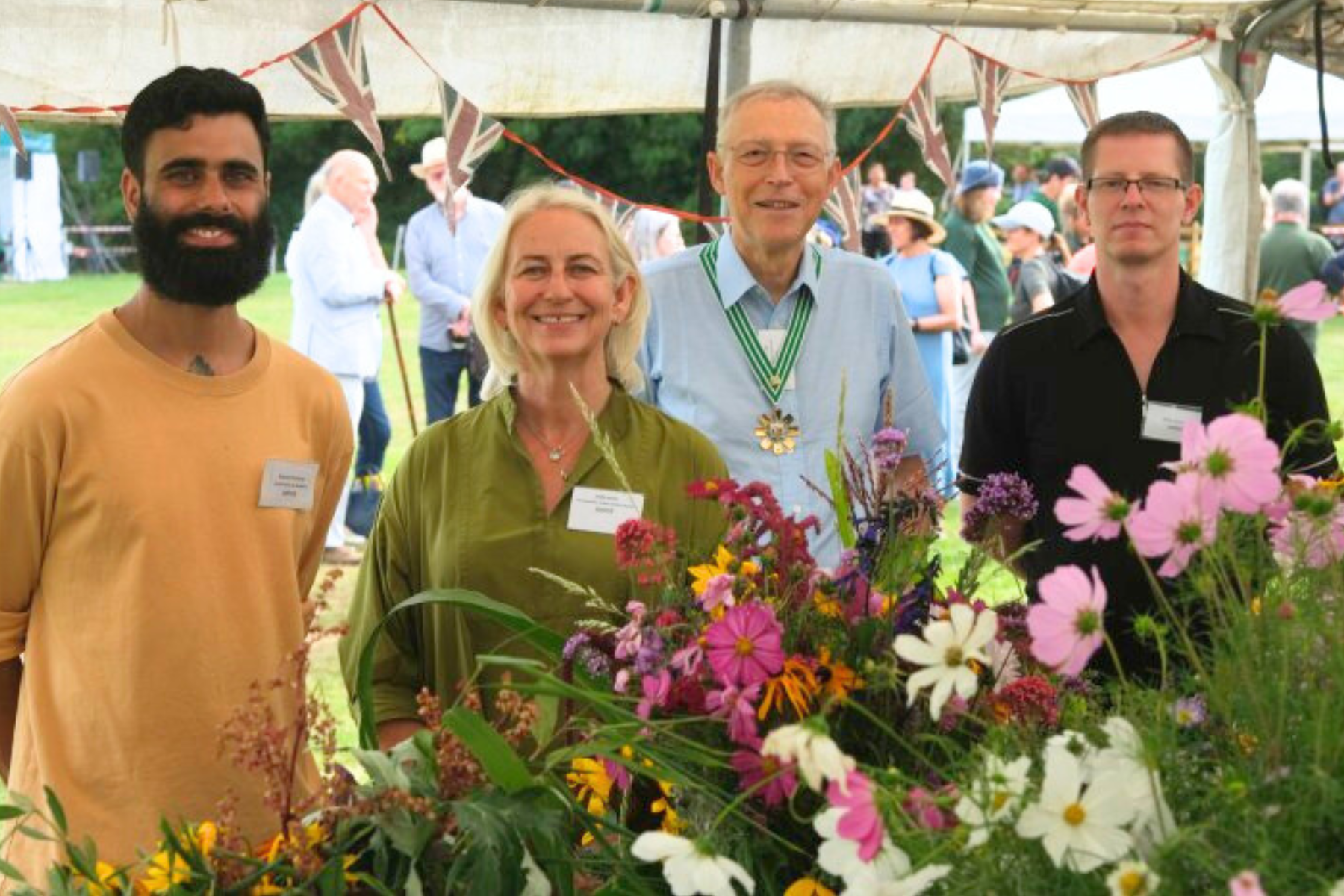
The 25th annual London Harvest festival took place on Saturday September 16th, knitting together London’s city farms and community gardens, and the staff and volunteers who make these sites so special. Our own Richard Choksey took part in the day as...
Did you know that dementia doesn't necessarily only affect memory?
Dementia can bring a whole host of sensory changes that may affect how a person experiences the environment around them, and this can significantly affect their experience of...
We are pleased to announce SF&G has joined 1% for the Planet as an environmental partner!
1% for the Planet is a global network with thousands of businesses and environmental organisations working together to support people and the planet...
Last week The Wildlife Trusts published a new report A Natural Health Service: Improving Lives and Saving Money which shows that green prescribing can save more in healthcare costs than the price of running a ‘green prescribing’ scheme.
SF...
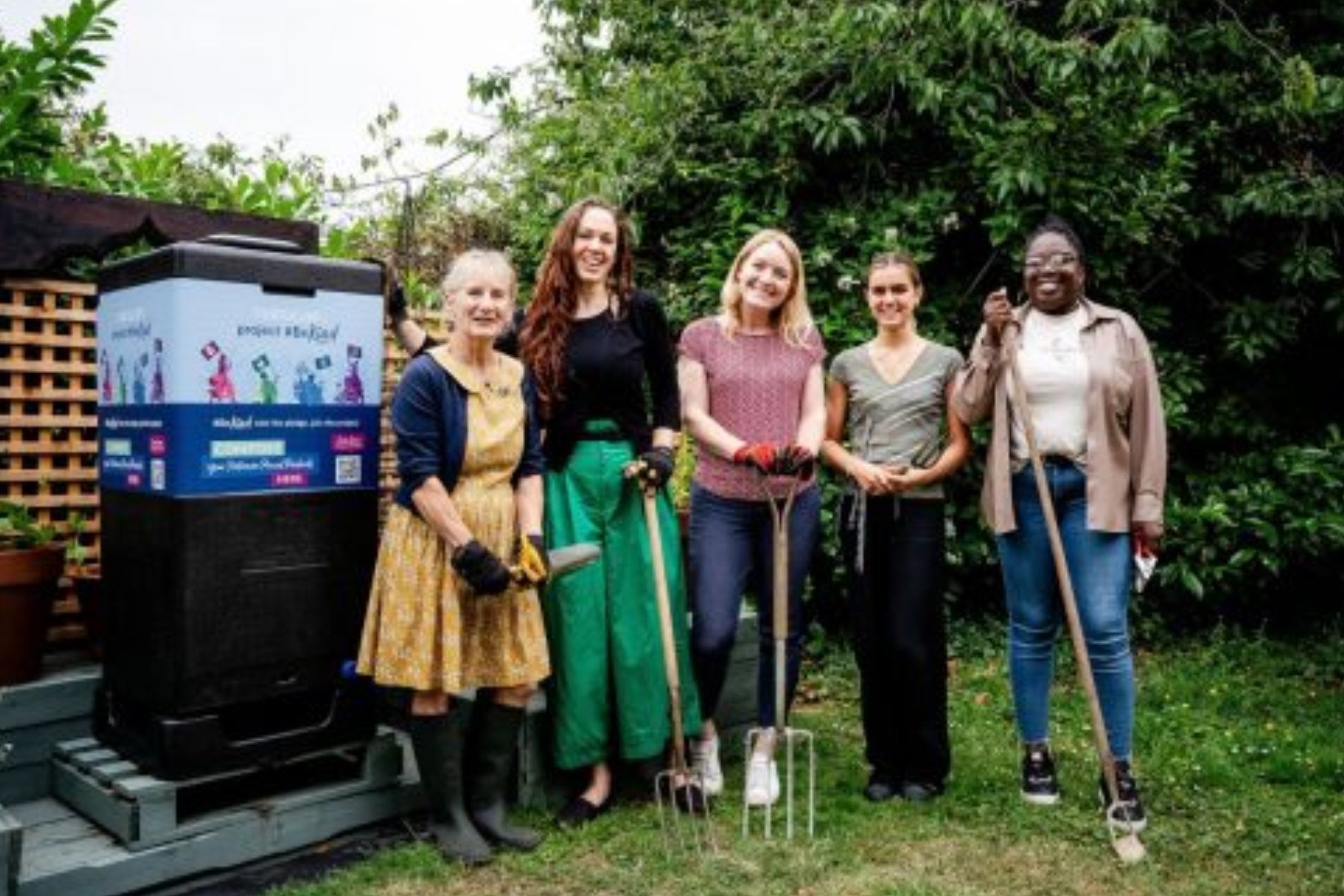
Social Farms & Gardens have teamed up with Natracare, creator of compostable disposable period products, on a new composting partnership that will see Natracare provide hot composting bins to four SF&G women-led members as a pilot scheme in...
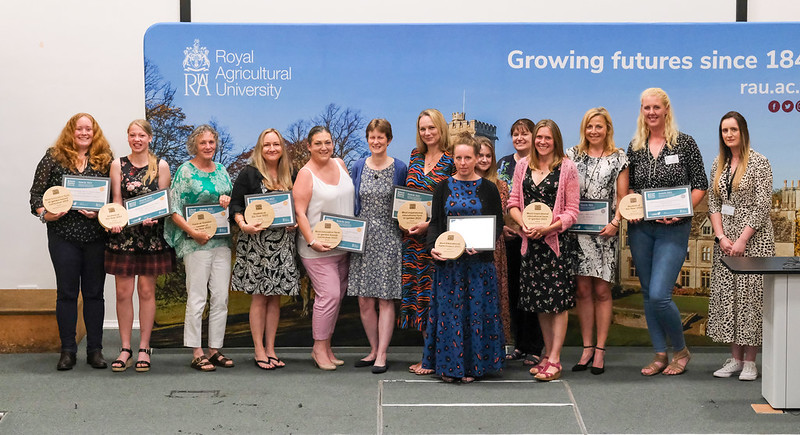
This month saw the School Farms Network host their fifth annual School Farms Conference, bringing together leading practitioners in educational farming environments from across the UK. Hosted by by Liam Dowsan from the Royal Agricultural University,...
We are delighted to be partnering once again with The Hilden Charitable Fund to enable more children to get outdoors and enjoy nature together. In 2022, this collaboration enabled us to support 25 groups with grants of £1,500 each through our...
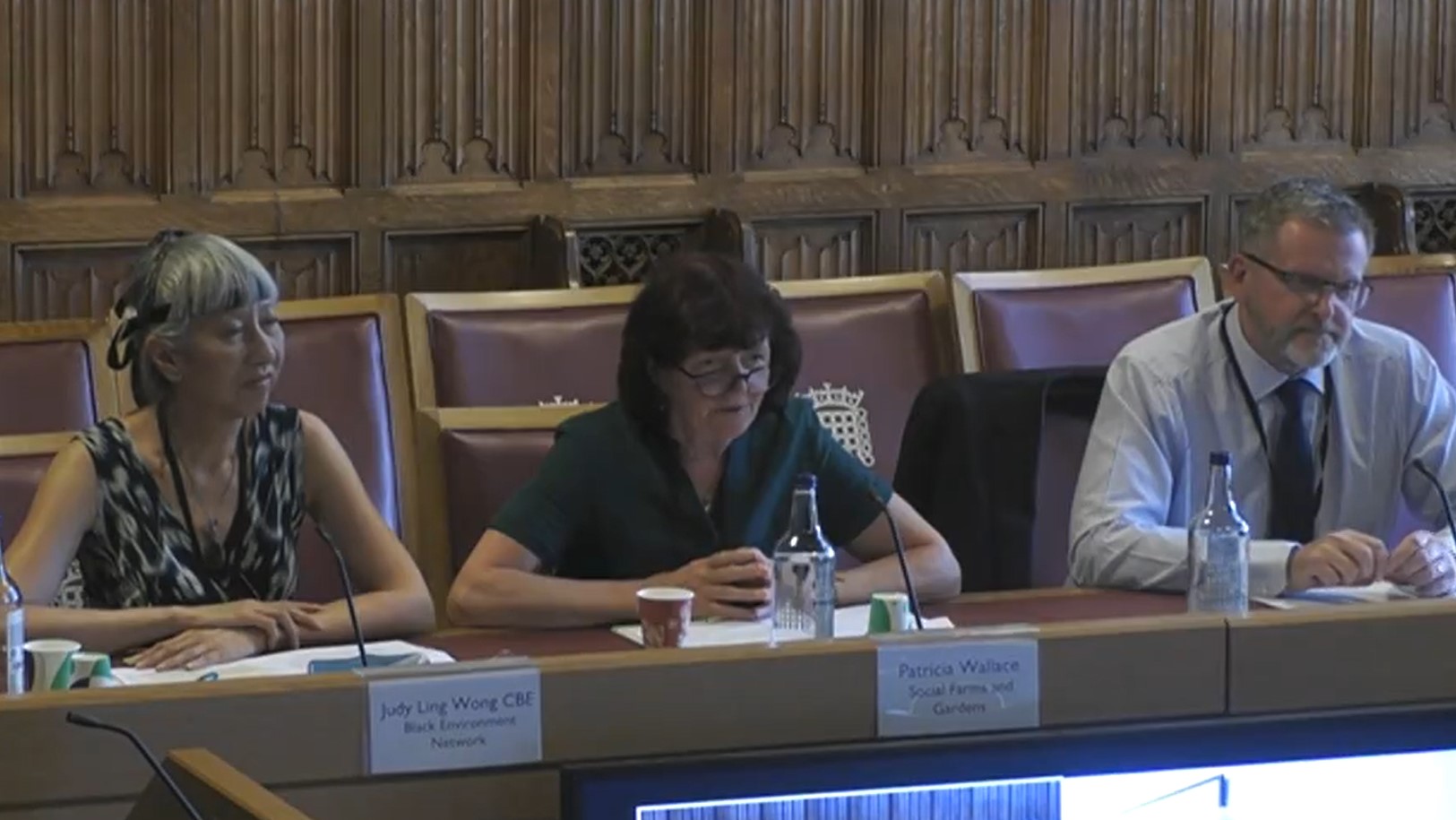
It's not everyday you get invited to speak at the House of Lords. SF&G were honoured to be part of the Horticultural Sector Committee last week. Patricia Wallace, our Northern Ireland manager spoke in a debate on food production and greening our...
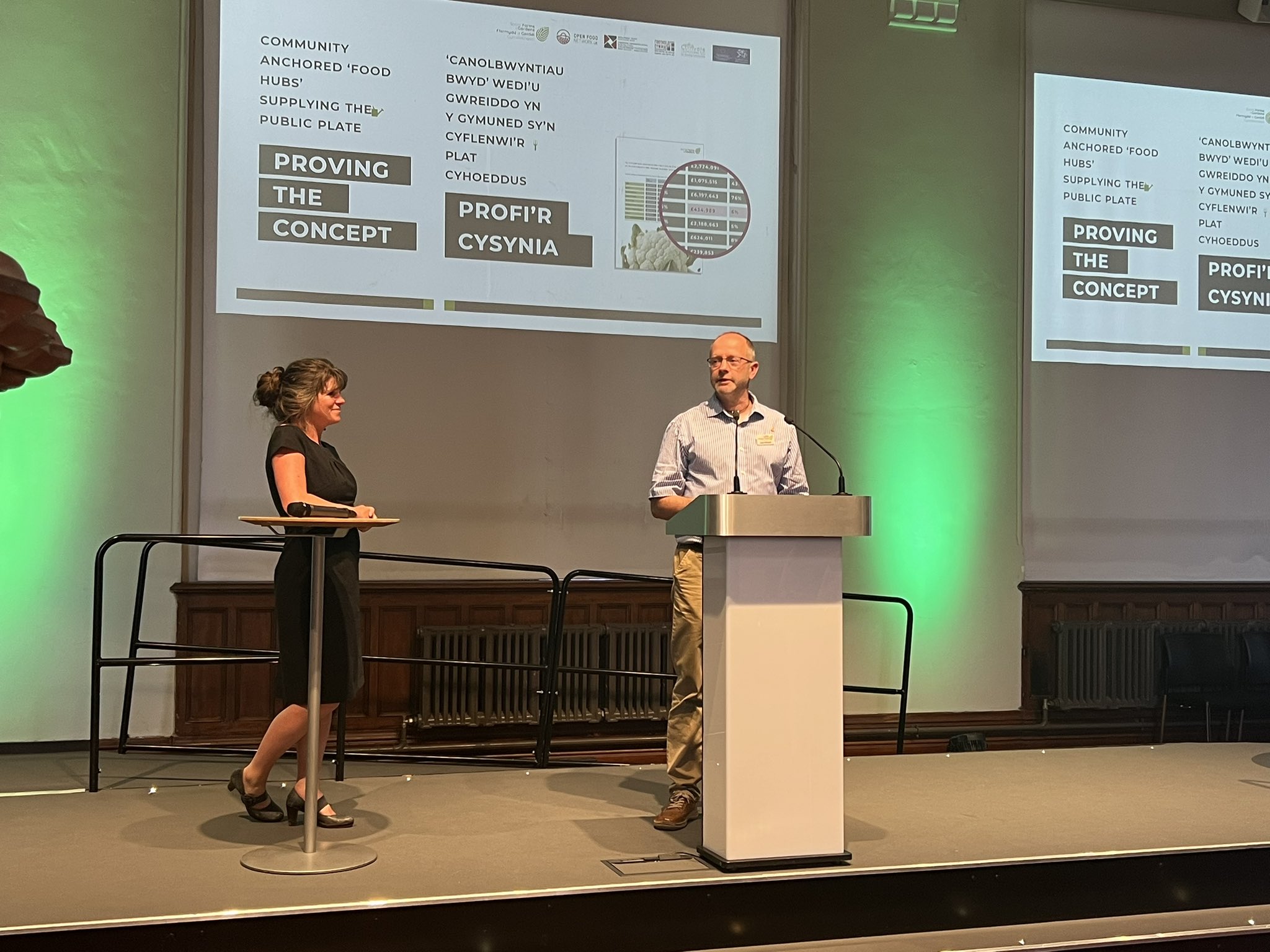
Social Farms & Gardens with partners working across the food system in Wales are delighted to launch our report “THE ROLE OF PUBLIC PROCUREMENT IN TRANSFORMING WALES’ FOOD SYSTEM”.
...
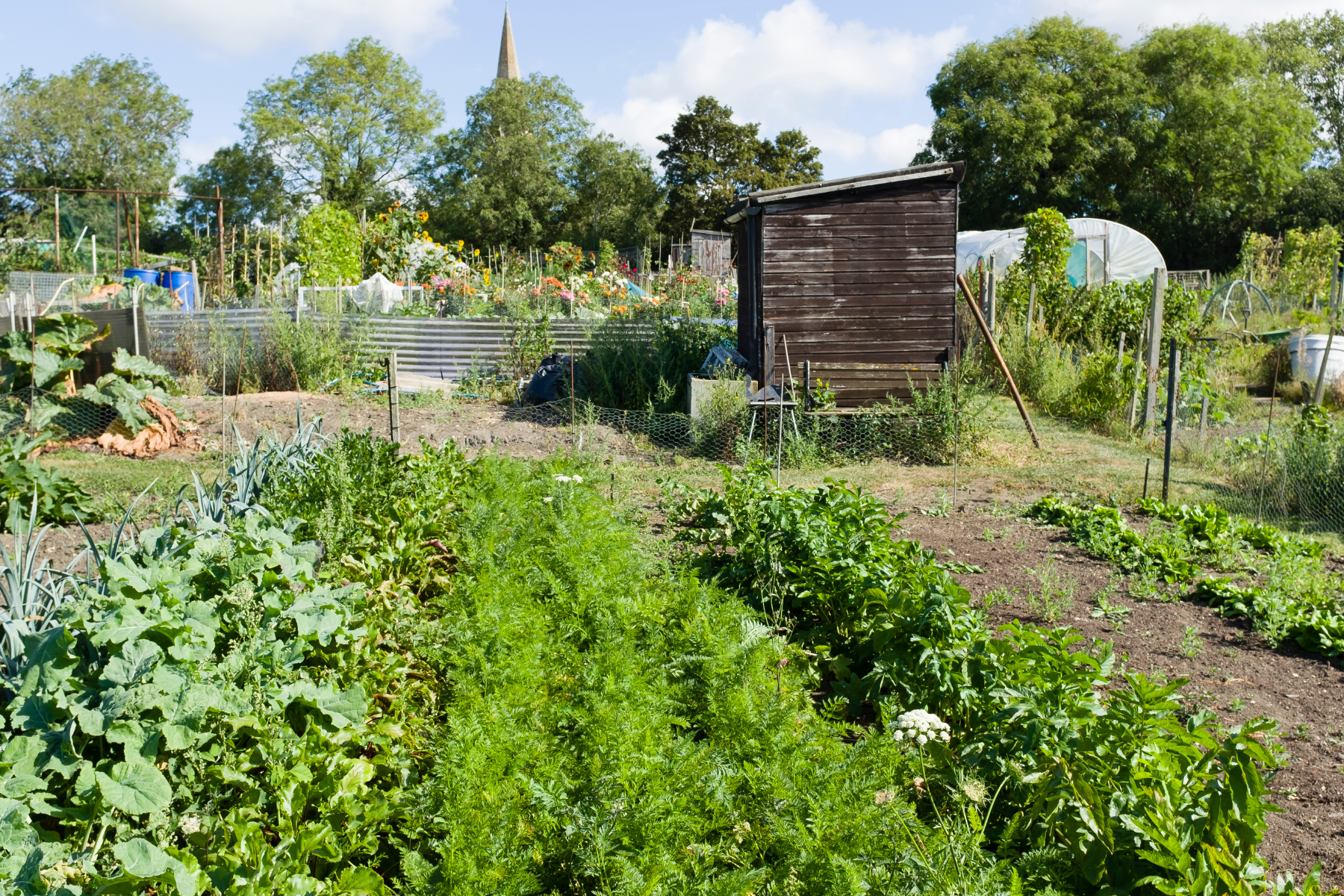
This work has been completed over the last 2 years in association and with input from local council officers in the 11 Councils in NI. The Report recommends that Councils in NI adopt a target level of provision of 1250 sqm (0.3 acres) per 1,000...
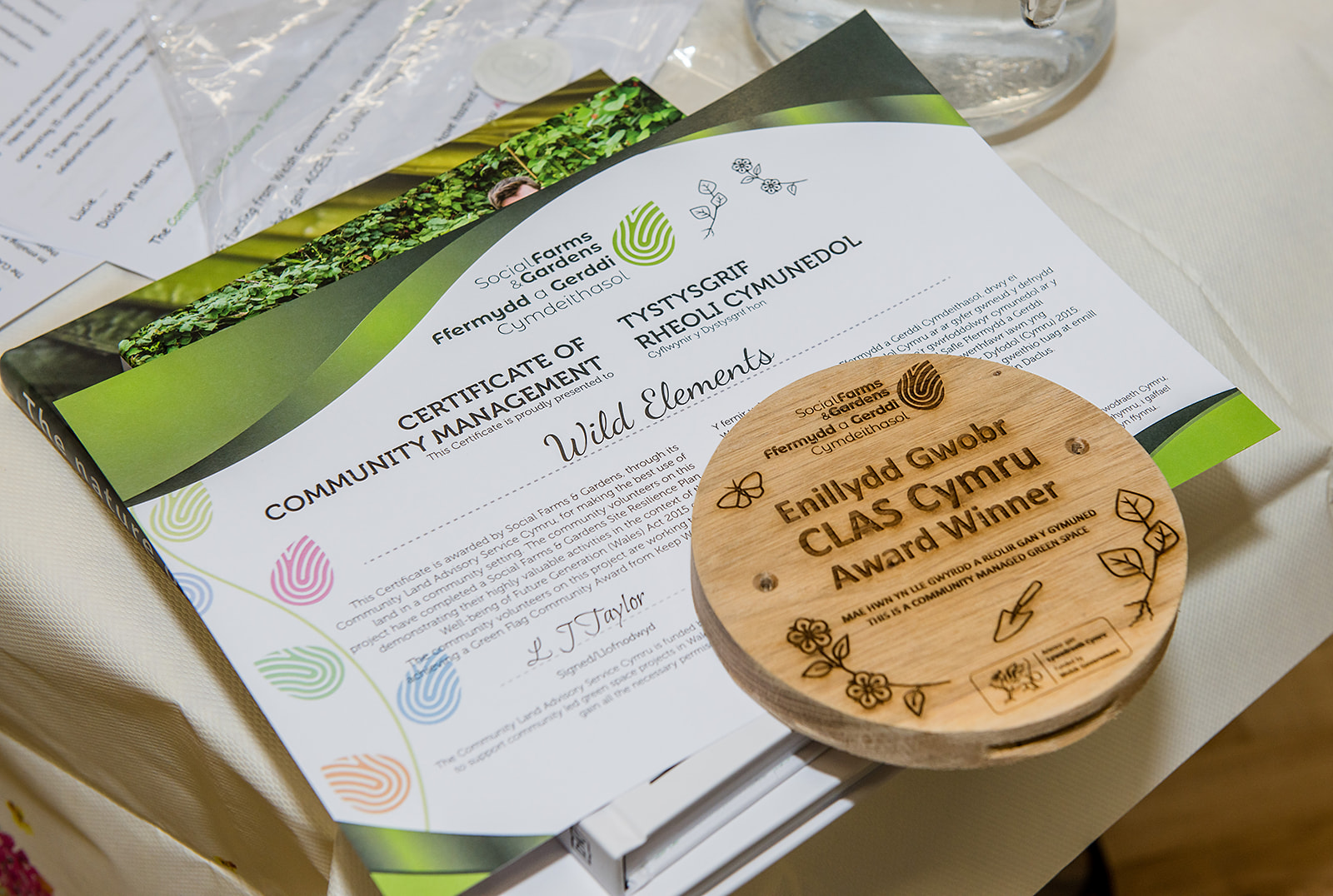
This month, Social Farms & Gardens celebrated the CLAS (Community Land Advisory Service) Cymru Awards 2023 where they honoured 15 projects from around Wales making the best use of land in their communities. This year, for the first time, they held...
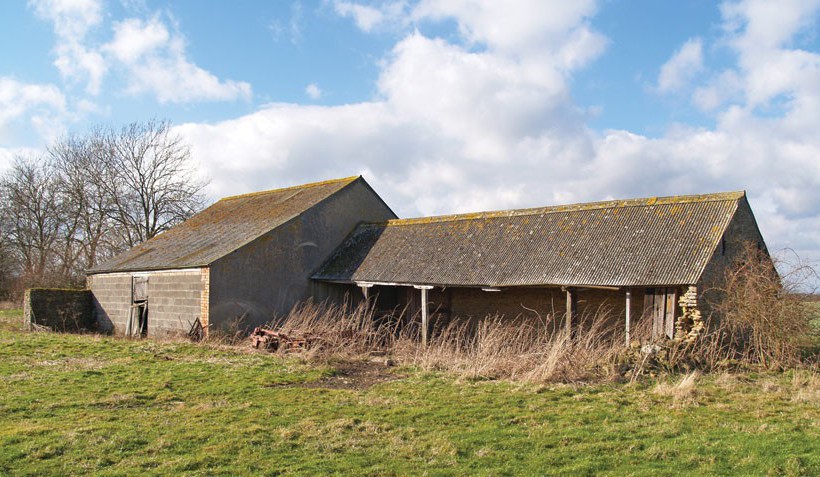
What is underinsurance? Underinsurance essentially is where you have insured for less than the true value of what is being insured. It is a common mistake but a costly one, determined by the ‘condition of average’ clause, which you can read...
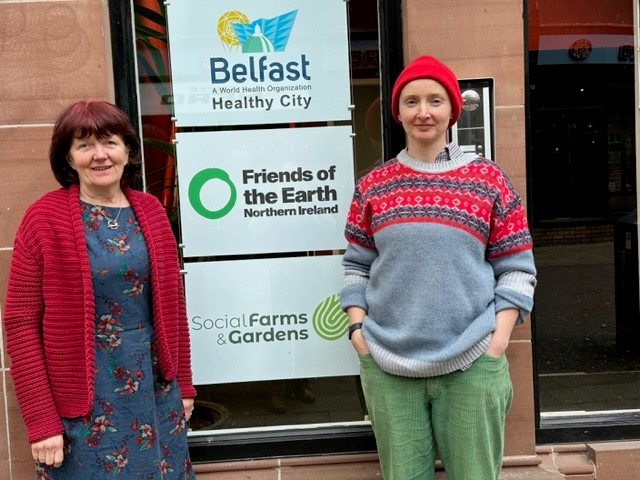
On Imbolc the first day of Spring, Social Farms & Gardens opened their new office shared with Friends of the Earth in Belfast. Over 60 people joined us to celebrate, bringing friends and members of Friends of the Earth and SF&G together. James...
The Gateway Collective in Bootle, Merseyside was one of three organisations to each be awarded a grant of £1,300 to support composting activities in community gardens. The grants came from a partnership between Social Farms & Gardens and...
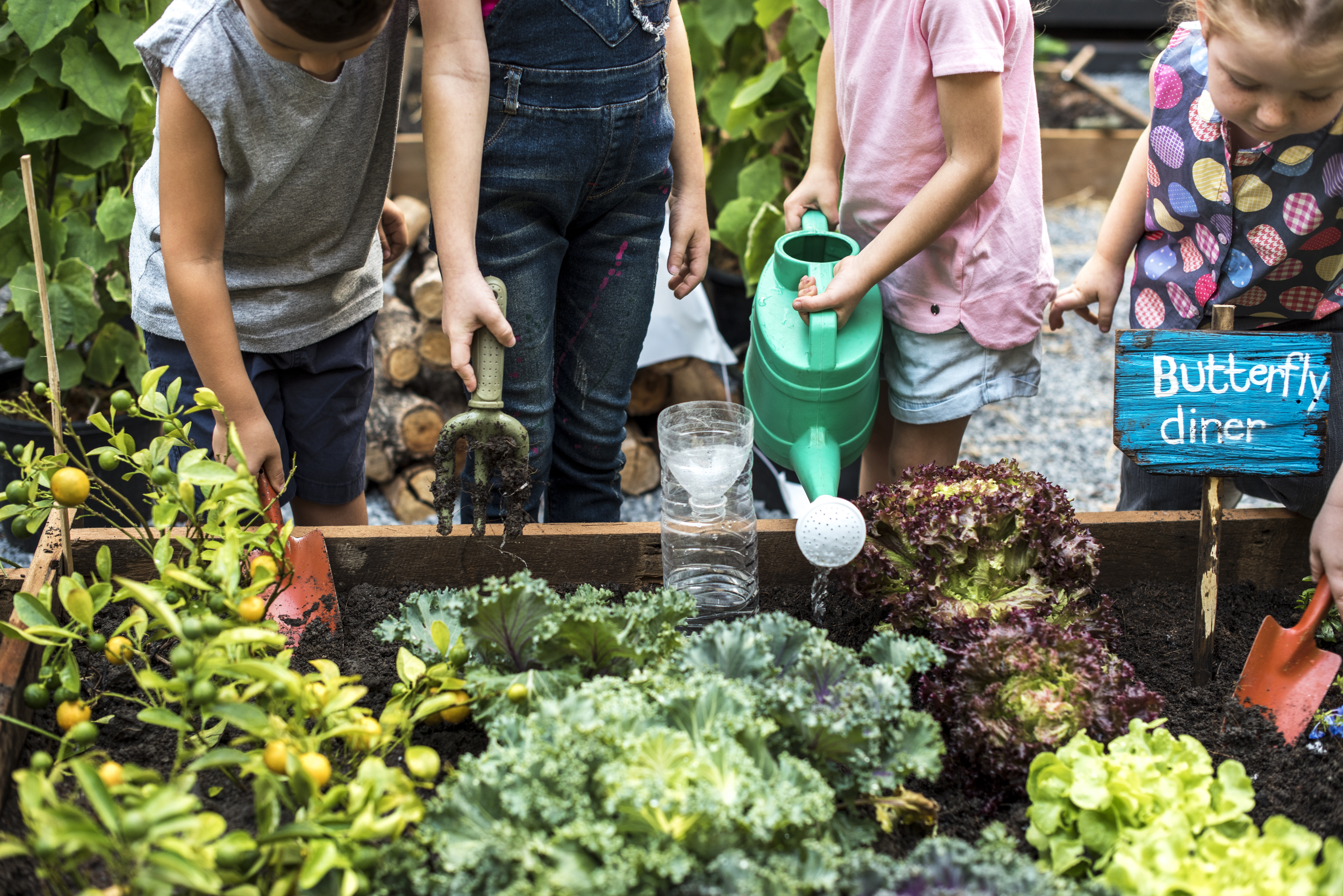
As Wales strives to increase its production of fruit and veg to meet the needs of our population, innovative technologies...

Organisations across Wales have been working together for the past year to create a national nature service for Wales. A national nature service would link up those...
Having the right protection is a vital yet often overlooked component in running an efficient community green space. Because things don’t always go as expected, insurance can protect you from those unpredictable events that can incur expensive costs....
Are you passionate about the community growing sector and have charity or third sector experience at a strategic level? SF&G is seeking individuals to become trustees of the charity, helping to guide our work and contribute to our aims and...
Sustainable Food Procurement for Local Prosperity
MEASURING AND DEMONSTRATING THE POTENTIAL CARBON BENEFITS OF USING LOCAL FOOD HUBS TO SUPPLY PUBLIC SECTOR SETTINGSPROJECT INTRODUCTION AND BACKGROUND
Working in partnership, Social...
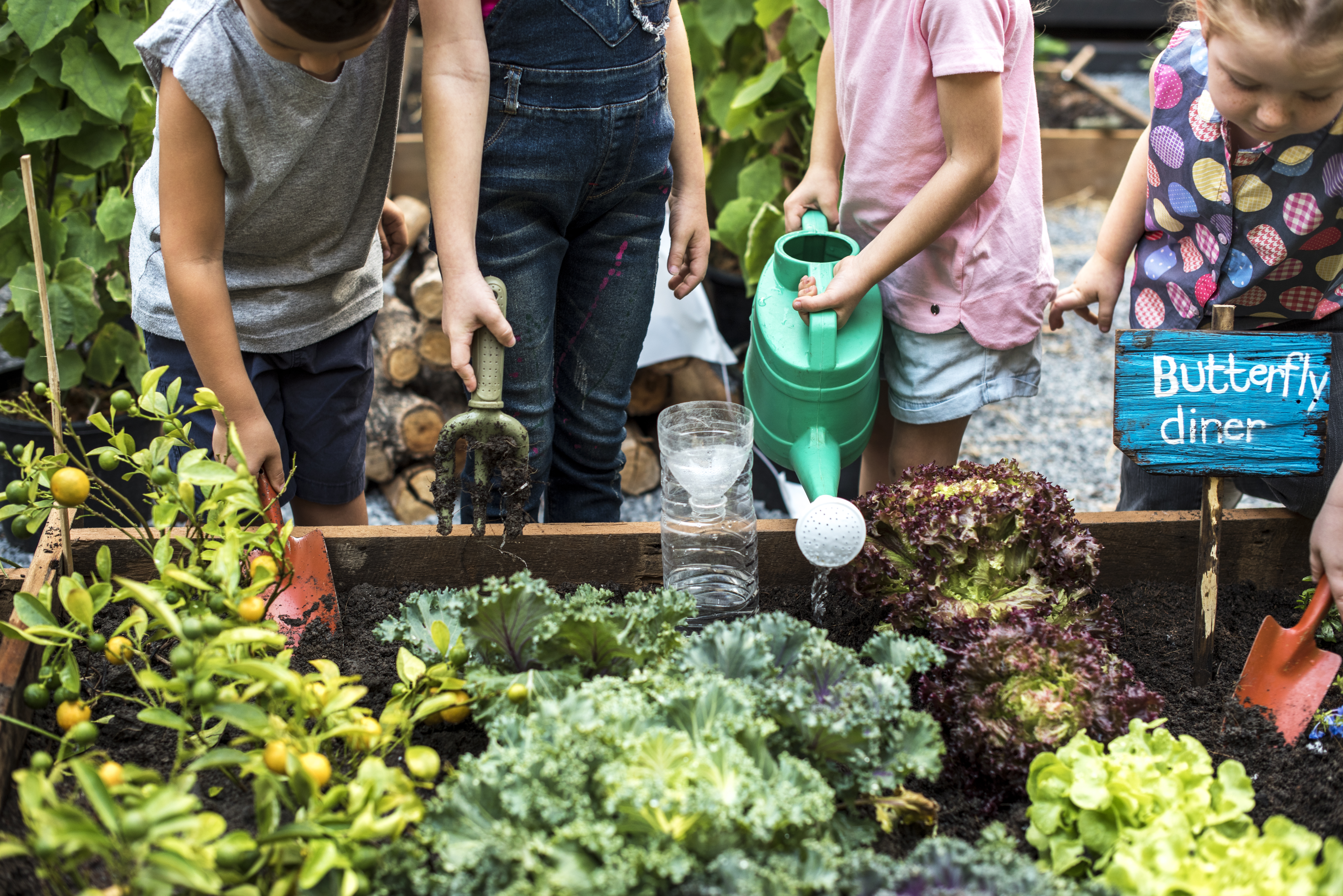
Sustainable Food Procurement for Local Prosperity
PROVISION OF LEASE HIRE PRODUCTION EQUIPMENT TO GROWERS IN AND AROUND NORTH POWYS OR CARMARTHENSHIRE (TWO CONTRACTS)PROJECT INTRODUCTION AND BACKGROUND
Working in partnership, Social...
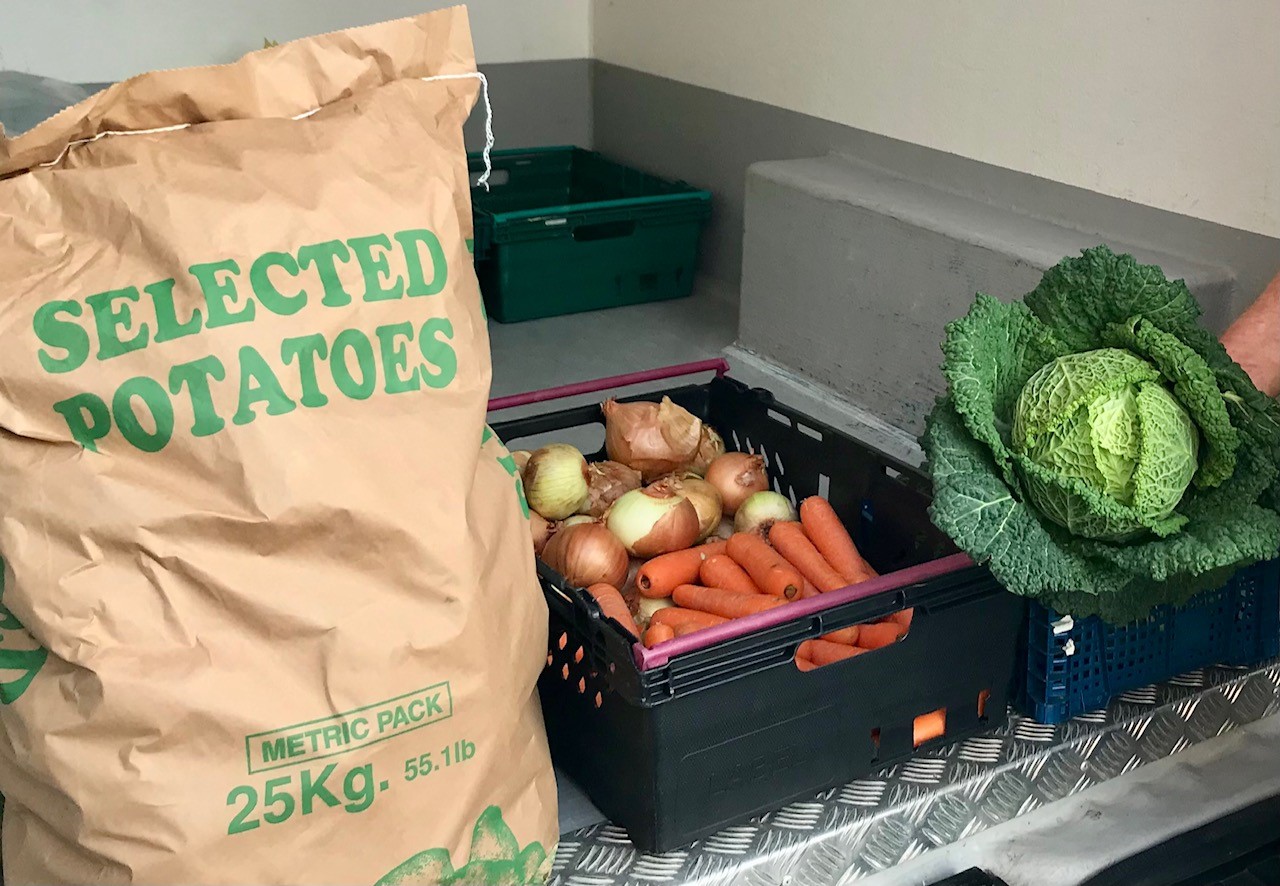
A partnership project in Wales is demonstrating how the public sector can source locally produced food - benefiting both the environment and local prosperity. The first food deliveries to a public sector care home and restaurant in Carmarthenshire...
Our Annual General Meeting is coming up on the 21st January 2023 and we'll be holding elections to our Board of Trustees.
Our board is elected by Voting Members, and we are keen to encourage as many Social Farms & Gardens members as...
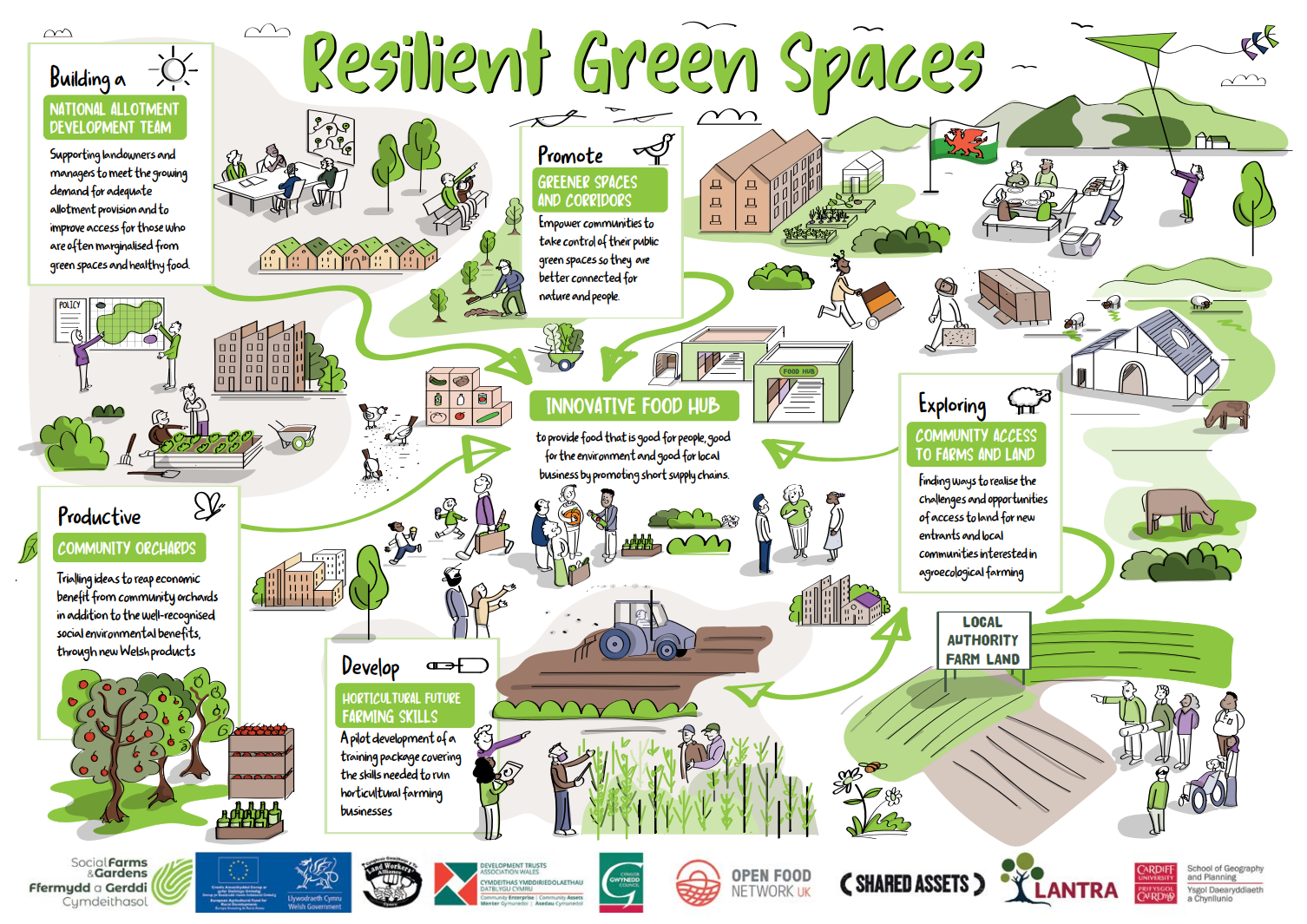
Our Resilient Green Spaces programme team in Wales are excited to announce £100,000 of available funding to support the purchase of farmland for agroecological farming with long-term community benefit.
This month, the Resilient Green Spaces...
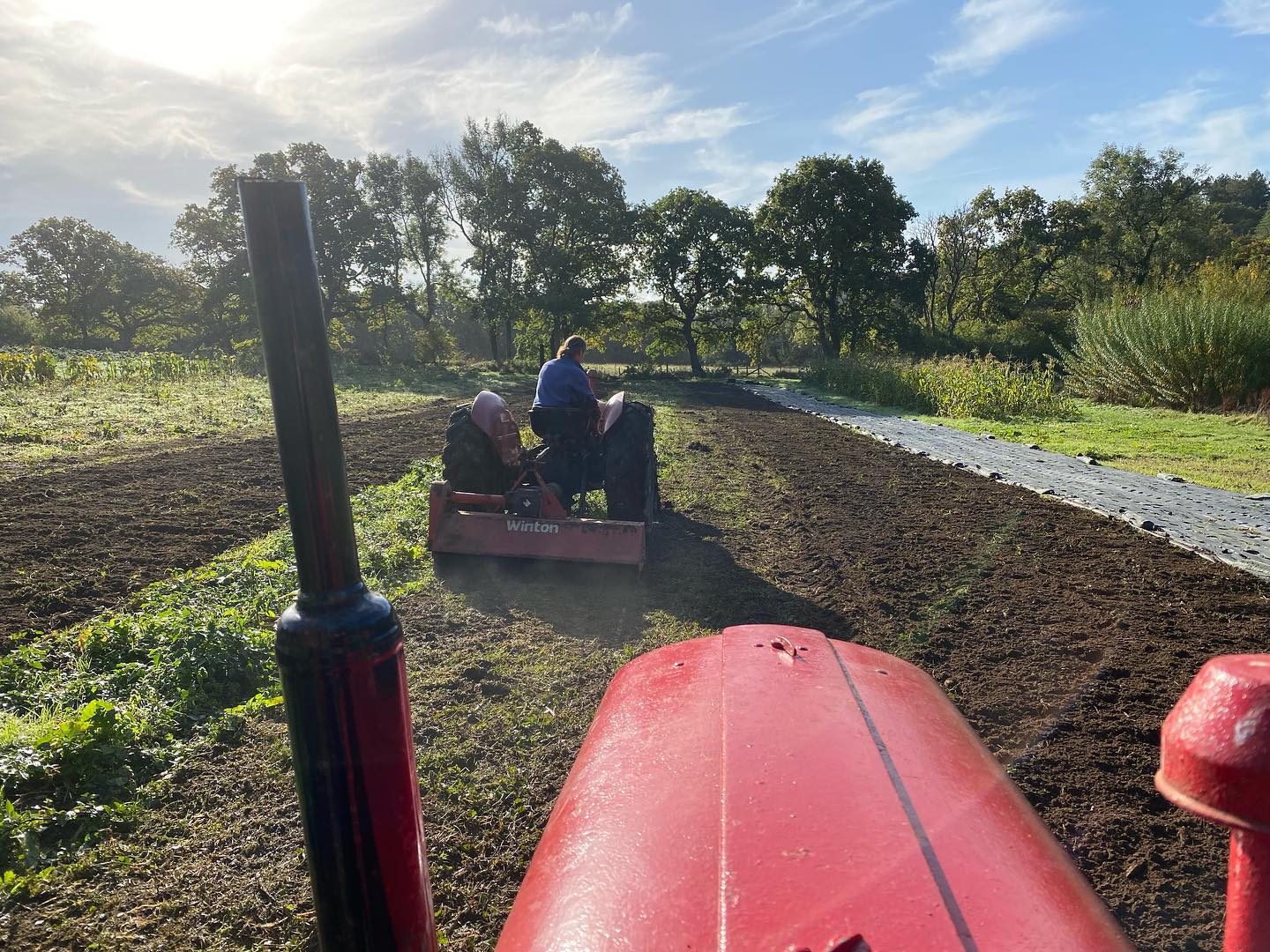
A study produced by a flagship Social Farms & Gardens project has found that there is an increasing interest in commercial growing and demand for local food in Wales.
The new study, titled “Mapping of existing horticulture training...
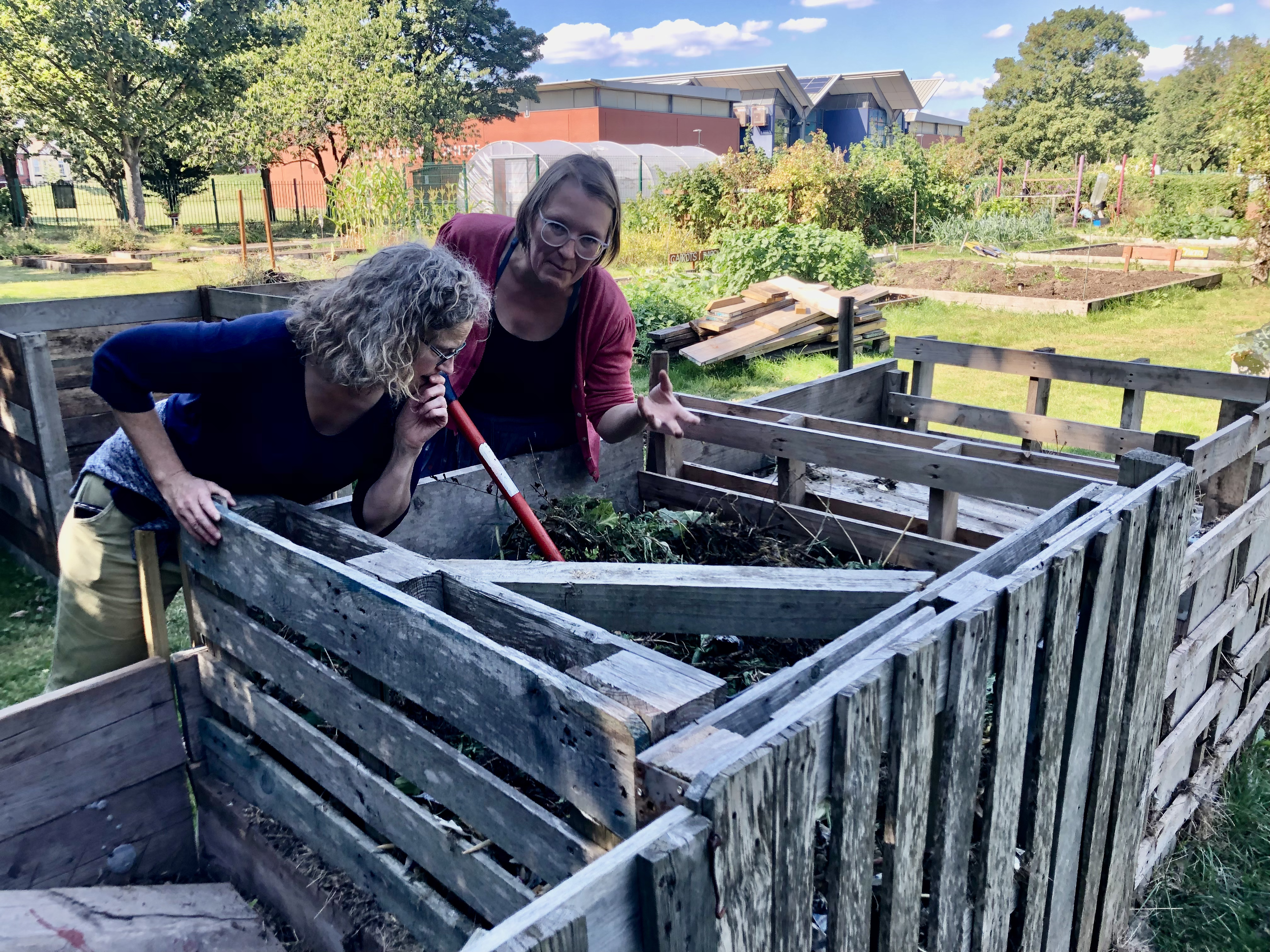
A community garden in North West England is unlocking the power of compost thanks to a partnership between Social Farms & Gardens and sustainable coffee brand GRIND.
Earlier this year Social Farms & Gardens partnered with the brand to...
We are saddened by the passing of Her Majesty Queen Elizabeth II. We offer our heartfelt condolences to our patron, His Majesty King Charles III and the entire Royal Family.
At this time of national sorrow, we reflect on the inspirational...
SF&G are delighted to have partnered with sustainable coffee brand GRIND to offer three grants of £1,300 each to support composting activities in community gardens. Grind has just launched the UK’s first home compostable...
This summer we’ve partnered with HelloFresh to support SF&G members to run activities that help educate consumers about food and encourage more sustainable habits. In July we awarded three community projects in Edinburgh, Sheffield and Birmingham...
A recent study from Natural England found that ‘83% of children interviewed agreed that being in nature makes them very happy [1].’ This summer SF&G are delighted to have once-again partnered with The Hilden Charitable Fund once again to enable...
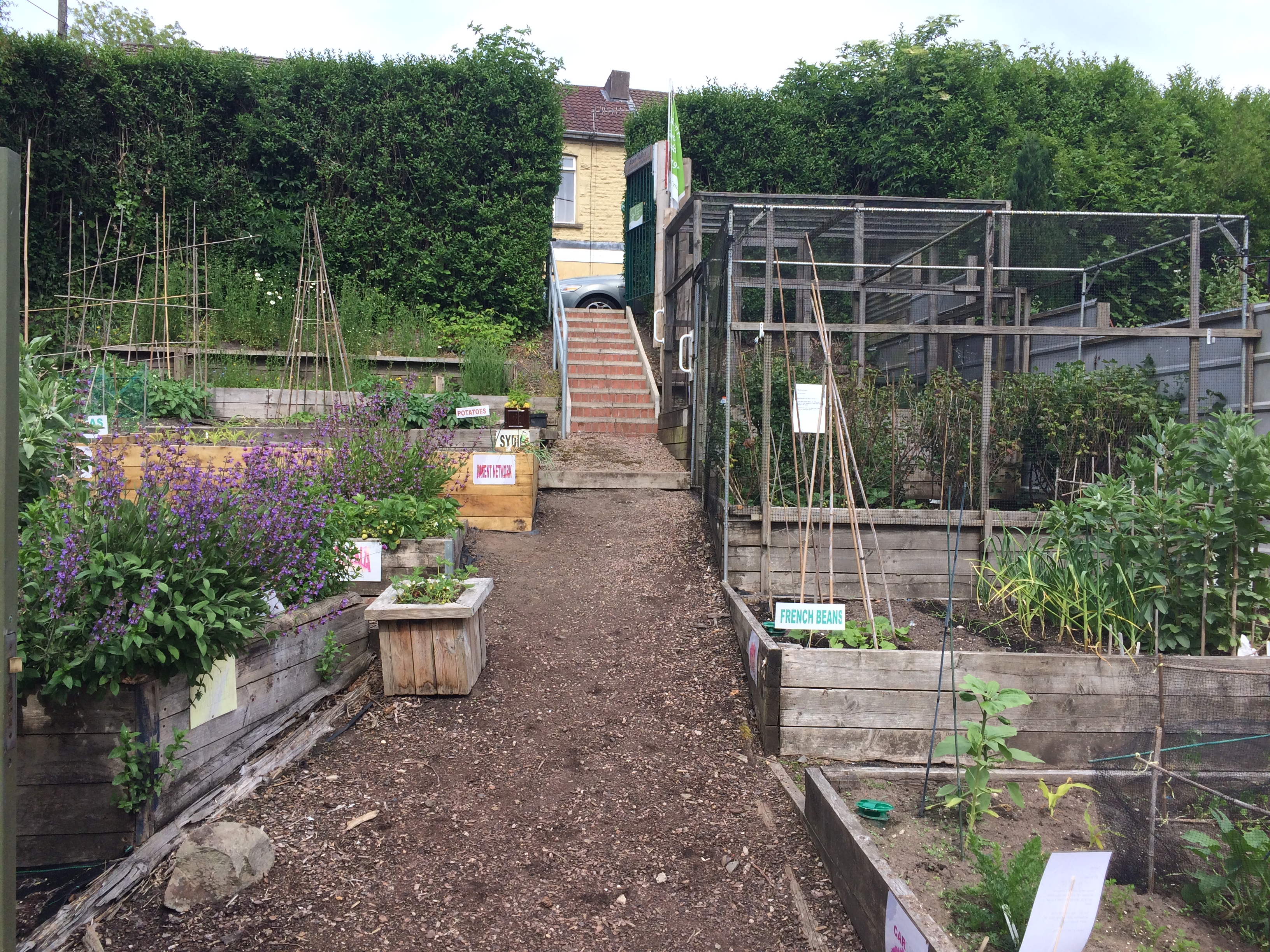
Photo: Aber Valley, Caerphilly
Social Farms & Gardens is calling out for Welsh communities who want to plant edible fruit and nut trees or begin processing new fruit and nut products as...
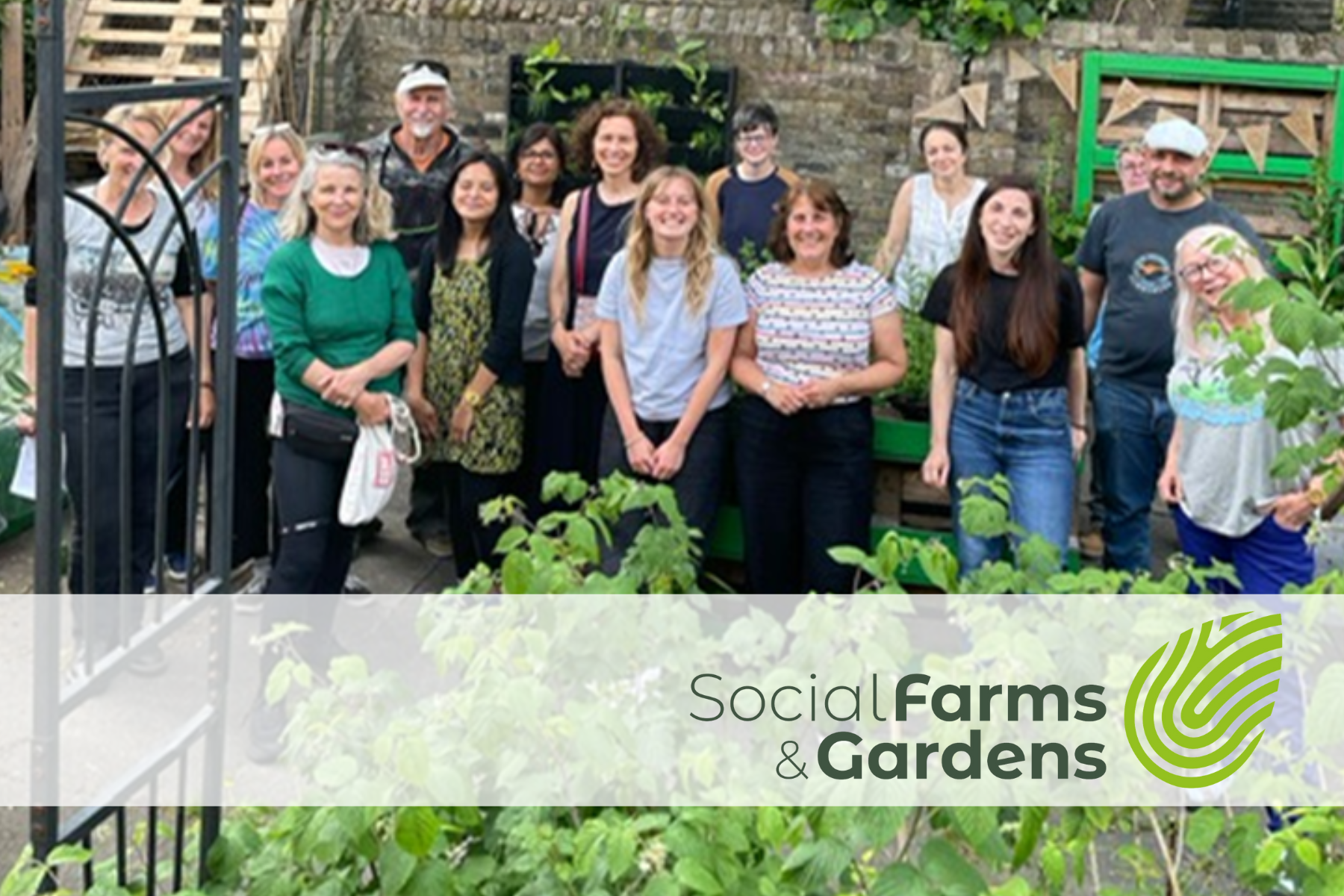
From 16th-20th May we welcomed 12 learners from across the UK and Europe to London to attend the Gardeniser Pro course.
During the week the group also got a chance to visit a wide range of gardens and farms in London, including Kentish Town...

SF&G is delighted to announce that we have partnered with meal delivery company HelloFresh to support SF&G members in London, Edinburgh, Sheffield and Birmingham to run activies that help educate consumers about food and encourage more...
Budget: £12,500 evaluation + £5,000 for final recommendations and dissemination materials (Two pieces of work could be commissioned separately). Timeframe: May 2022 – June 2023 (13...
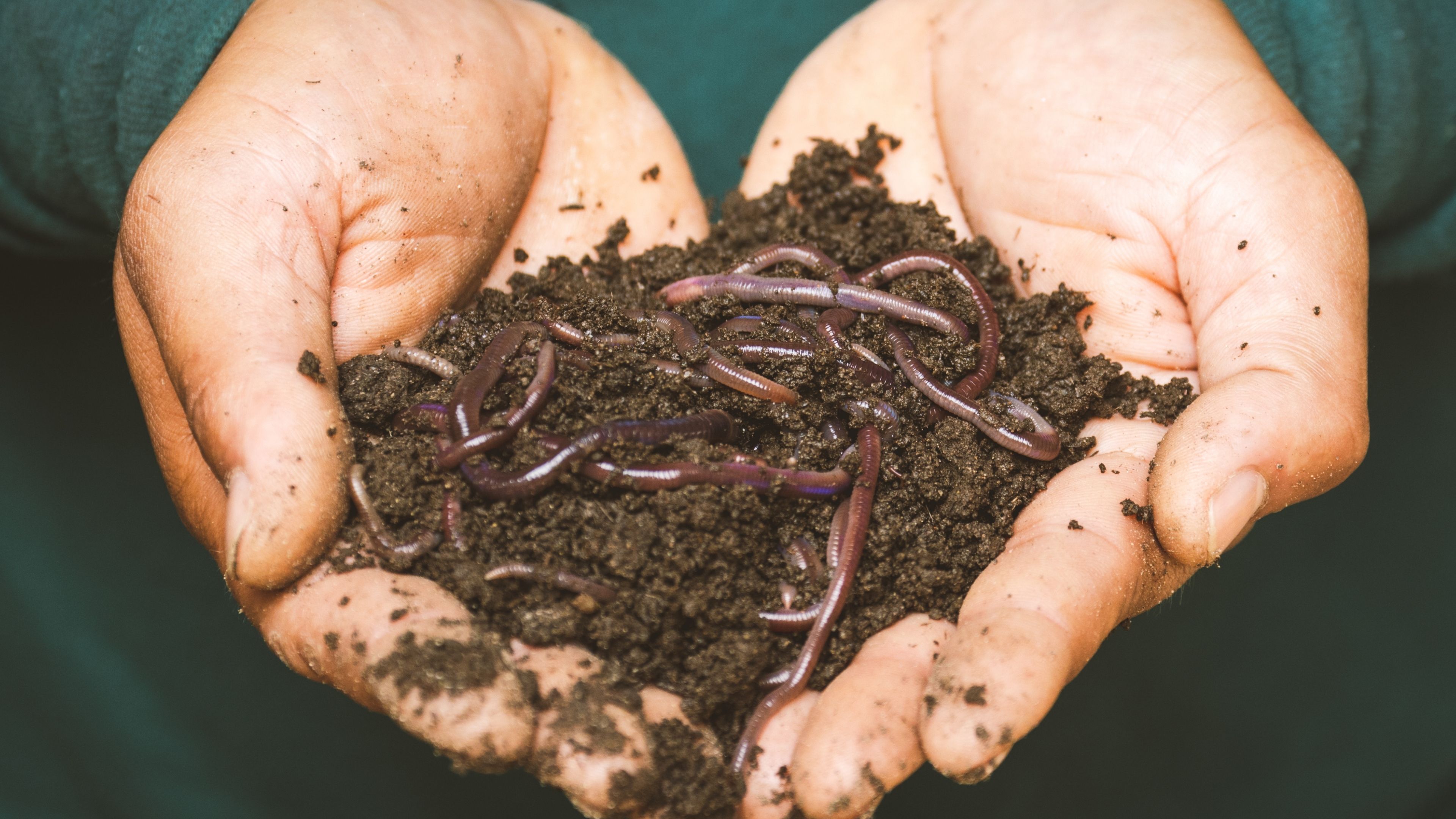
This International Composting Awareness Week (1st - 7th May) we take a look at why Composting is so important for the environment and the health of our planet.
Composting is the natural process of recycling organic matter, such as leaves and...
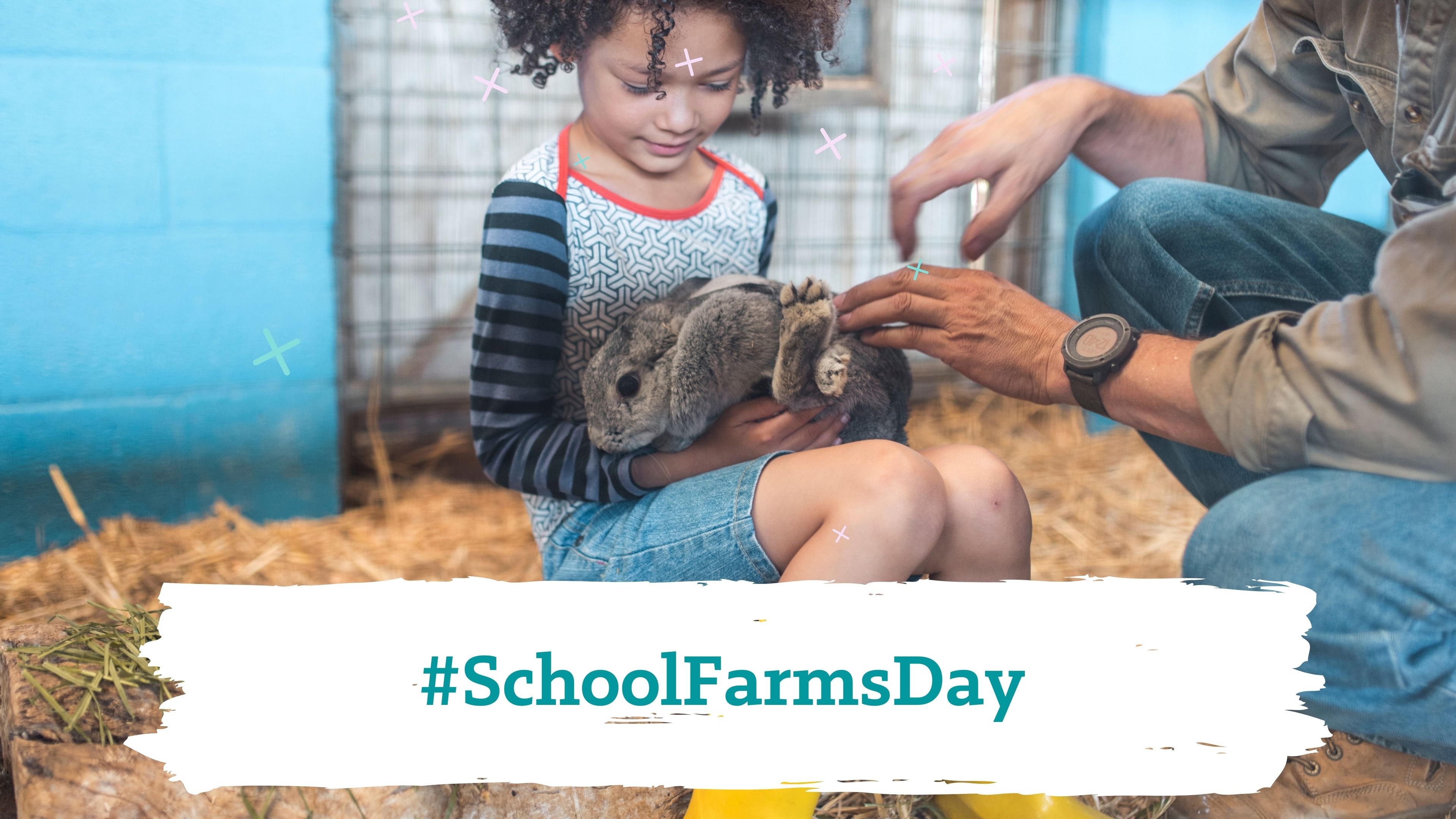
It was fantastic to see all the successes of the first ever School Farms Day over the weekend - an event which celebrates the impact of the 130+ School Farms across the UK.
Abbey Court, a special school for pupils aged 3-19 with severe and...

Resilient Green Spaces is a £1.27m partnership project being led by Social Farms & Gardens to pilot alternative re-localised food systems using communities and their green spaces as the driving force for change across Wales...
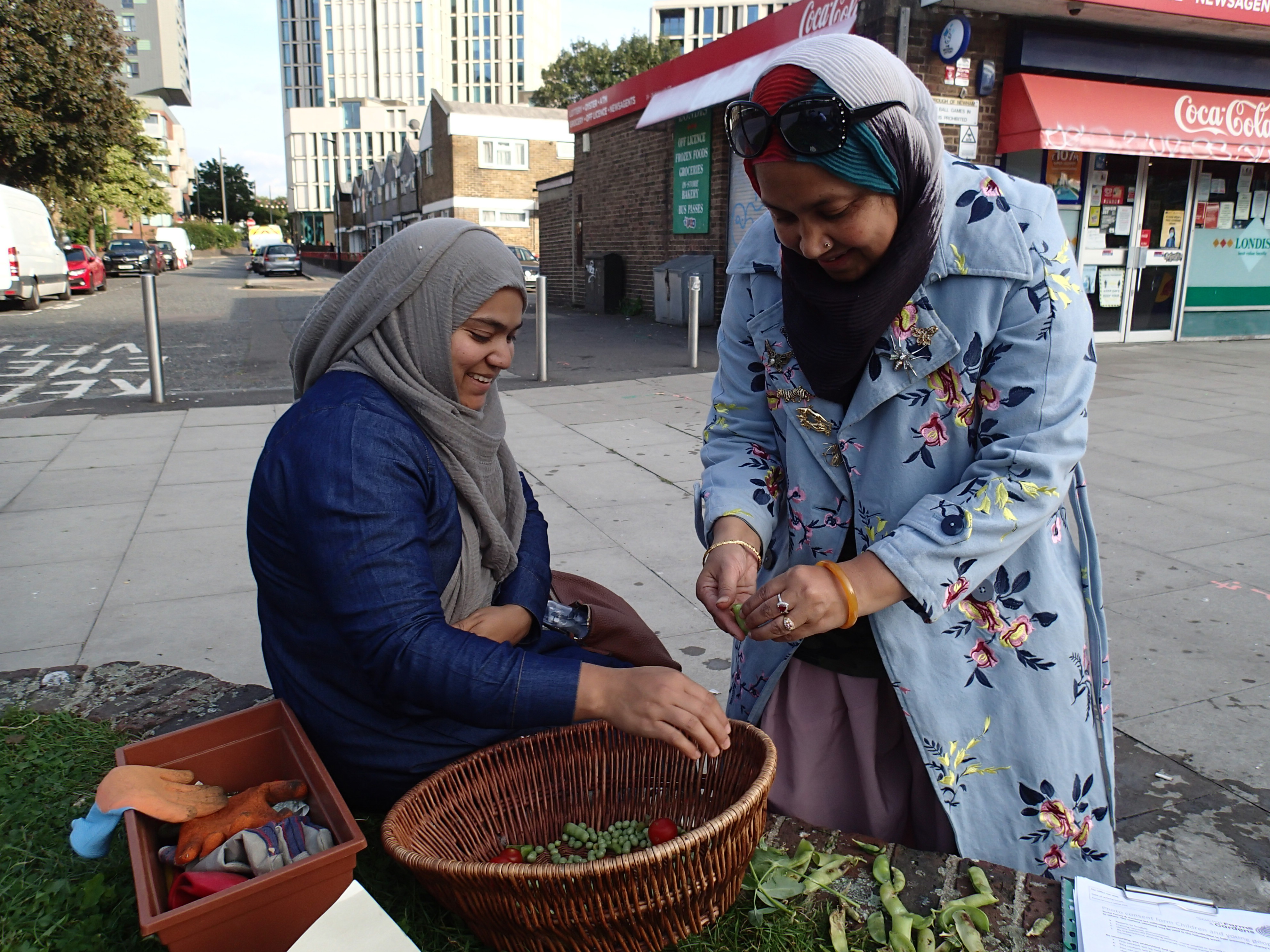
A community that ‘grows’ is a healthy community. Up and down the UK, thousands of humble community gardens and green spaces are tackling some of our biggest challenges. Community gardens provide a myriad of outcomes to address current challenges...
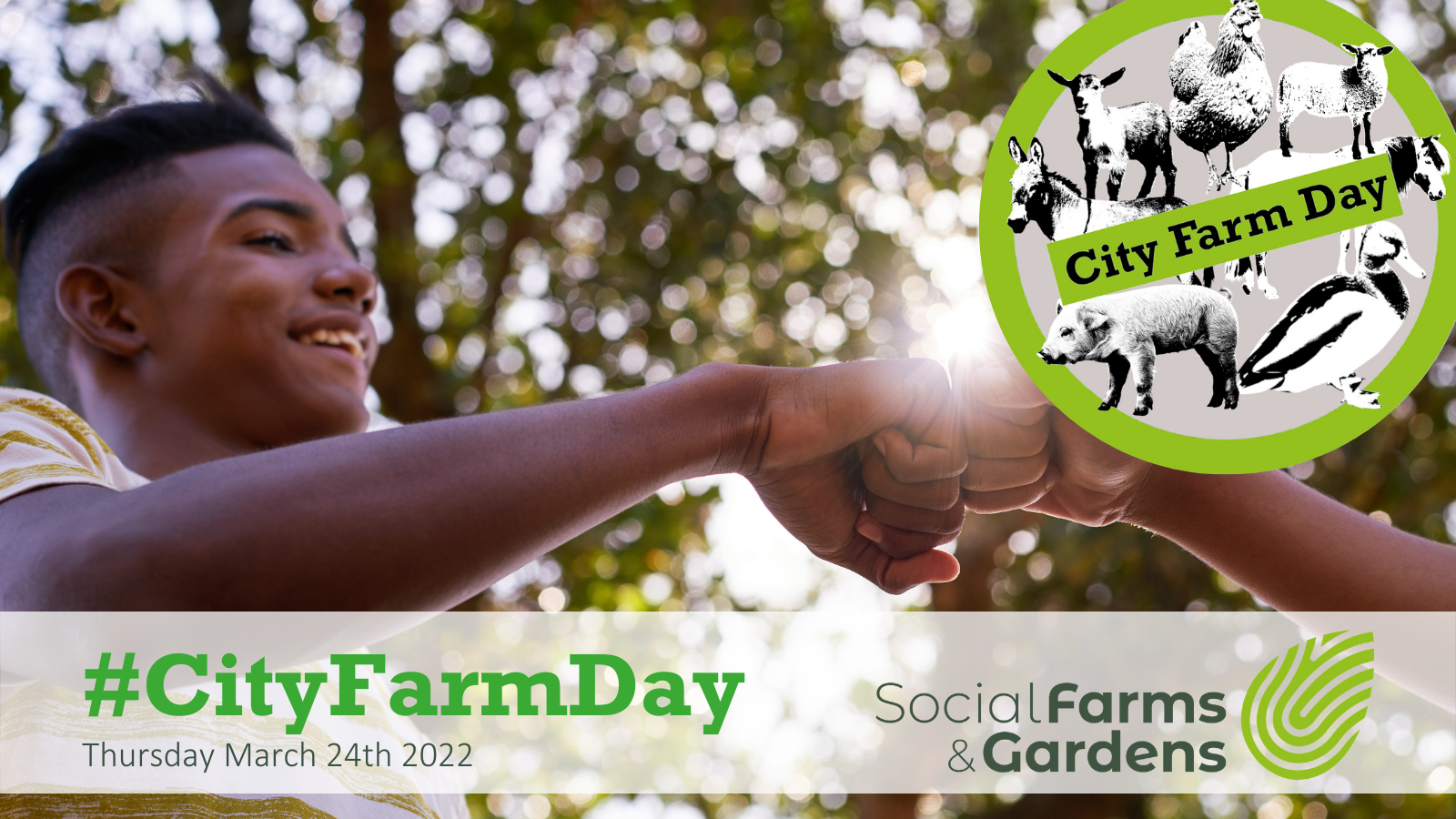
There are currently over 50 City Farms across the UK, providing vital services that help young people connect with the natural world, food, farming and the wider community.
Why are City Farms important for Young People?Young people...
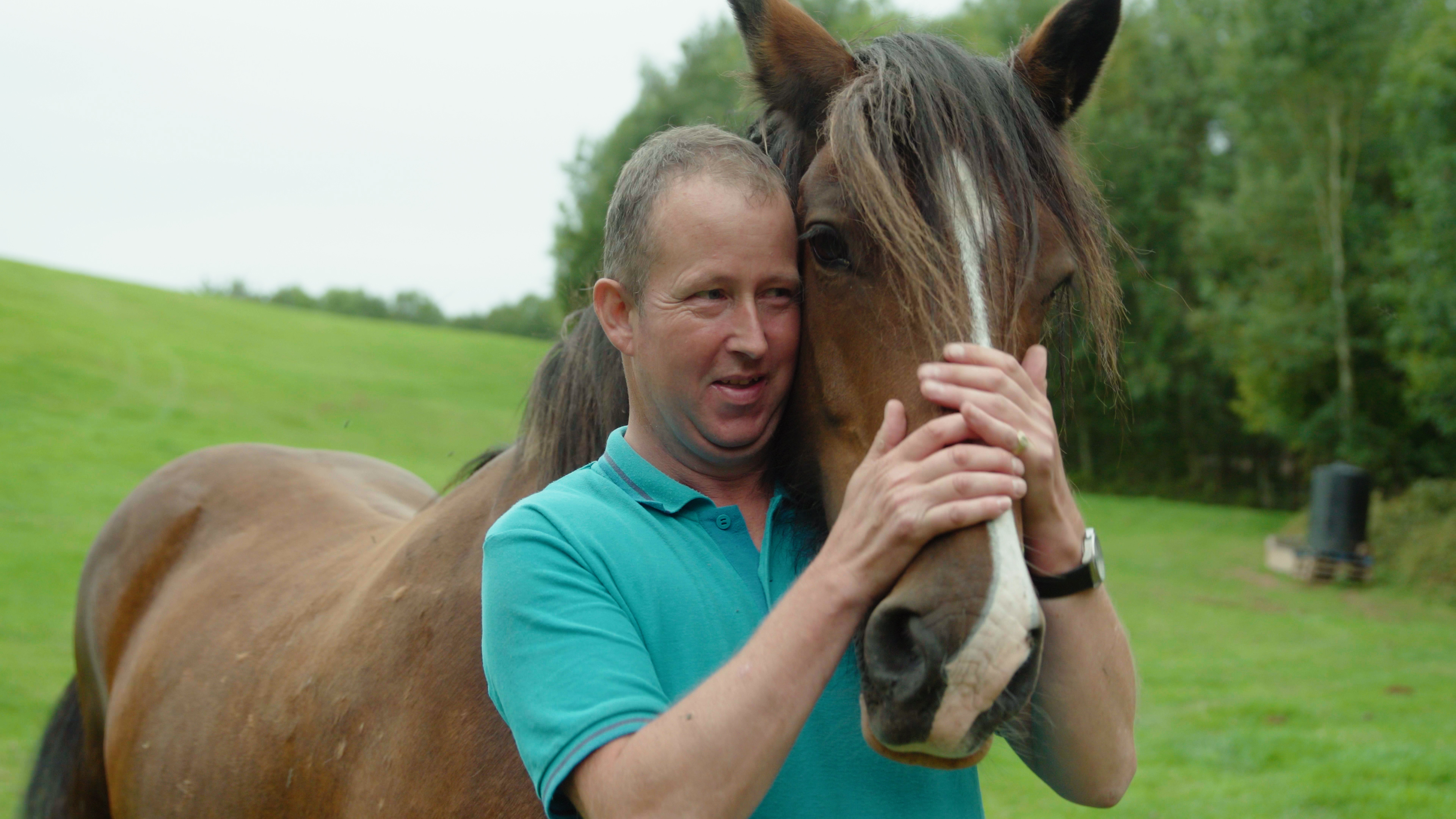
Results from the Social Farms & Gardens annual care farming and green care survey show that the sector has grown 34% since the 2019/20 survey.
Green care is structured therapy or treatment programmes that take place in natural surroundings...

*Please scoll down for Welsh.
Five new food hubs selected in Wales!Open Food Network, Development Trusts Association Wales and The Landworkers’ Alliance have joined forces to select five enterprising and sustainable food hubs in communities...

Here at SF&G we are delighted to launch our new partnership with the crowdfunding platform Crowdfunder.co.uk.
In recent years crowdfunding has become a vital fundraising tool for many of our members, and that has especially been the case...
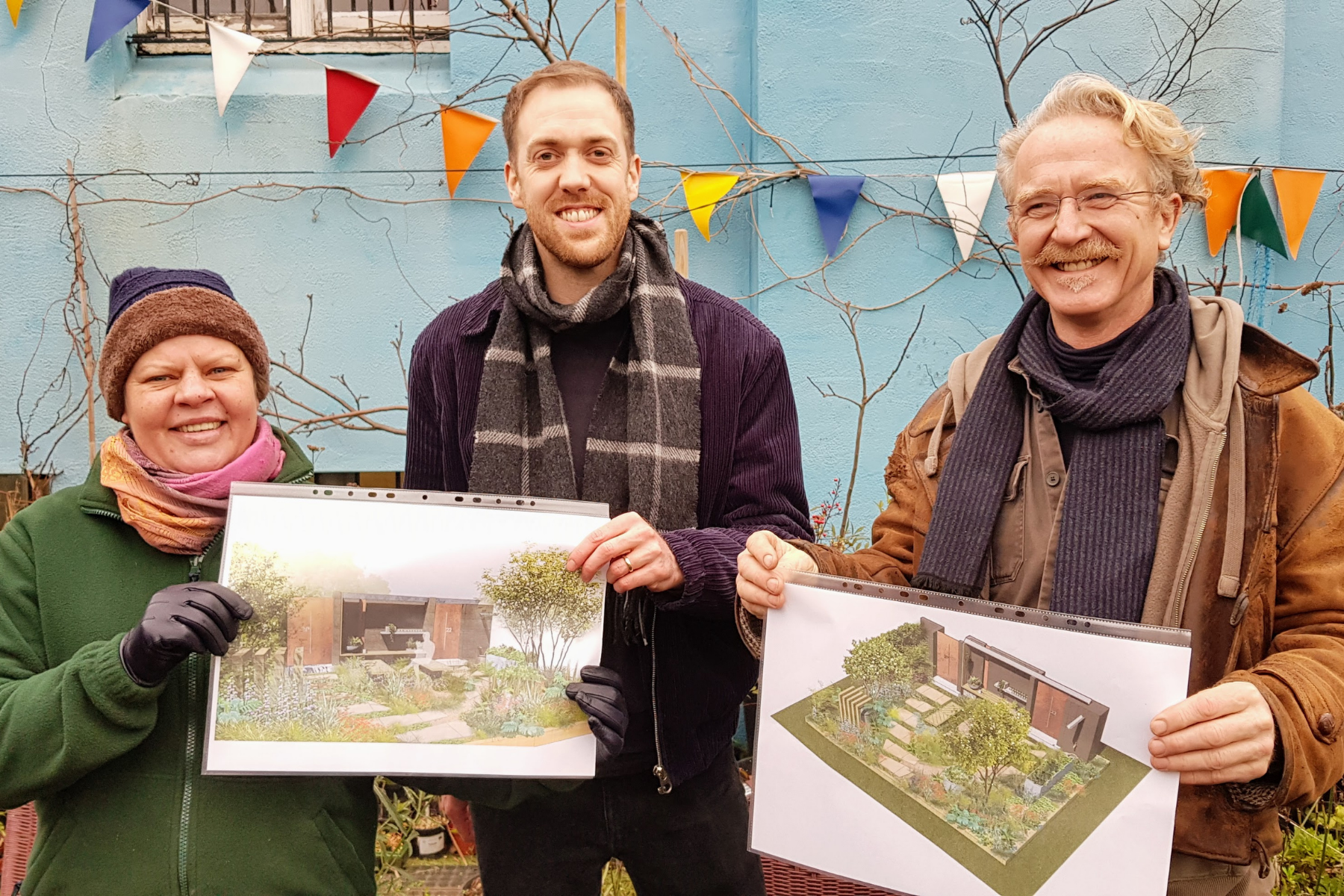
SF&G Member Core Arts, the Hackney-based mental health charity is to stage its first-ever show garden at the RHS Chelsea Flower Show 2022. Leading Hackney mental health charity, Core Arts, will be represented at the world-famous RHS Chelsea...
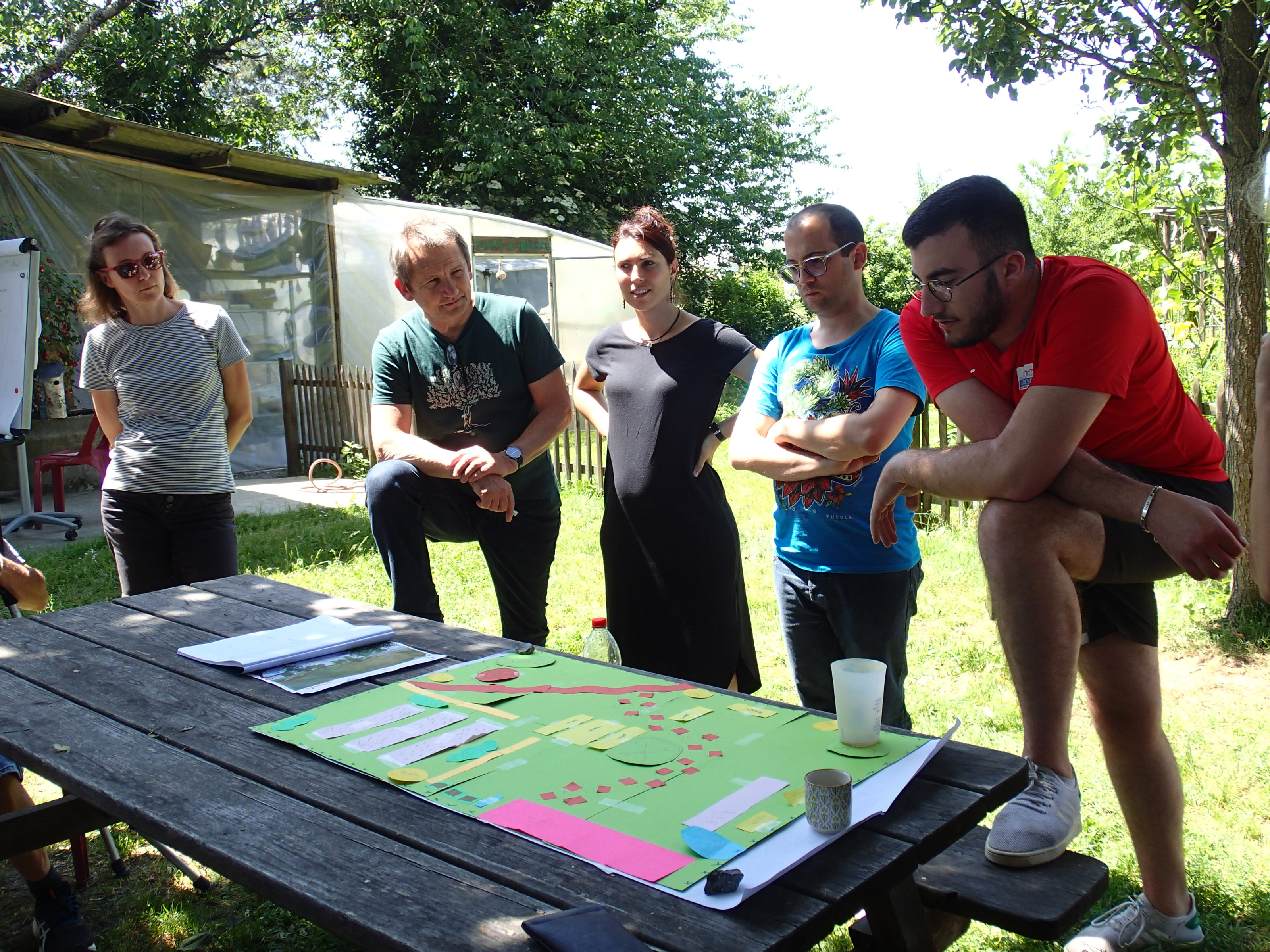
In October 2021 we had 12 learners attend a three day course at SF&G head office in Bristol to become trainers of Gardeniser Pro.
By the end of the classroom training the learners were able to understand all 3 modules of Gardeniser Pro...
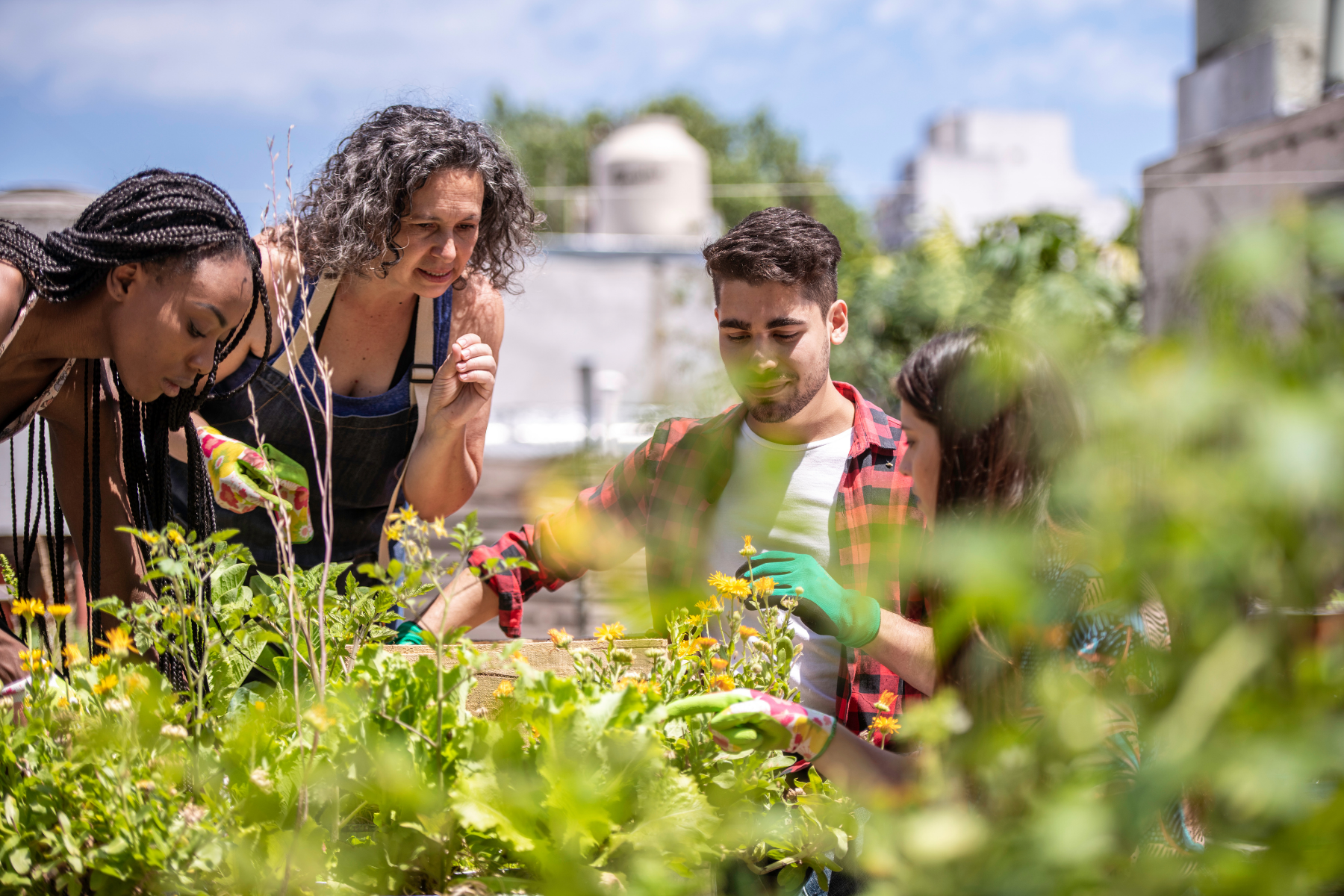
We are pleased to announce that SF&G will be part of a new European Erasmus Plus project called Learning Bubbles: an investigation into potential collaborations between schools, community gardens and the digital world.
The project will...

Social Farms & Gardens is calling out for Welsh communities who want to plant edible fruit and nut trees or begin processing new fruit and nut products!
The call-out is part of the Productive Community Orchards strand of their £1....
As part of their response to the COP26 Glasgow Climate Change Conference, the SF&G Northern Ireland team have released this short film demonstrating the power of NI's community growing spaces and the work they are doing to bring people together in...
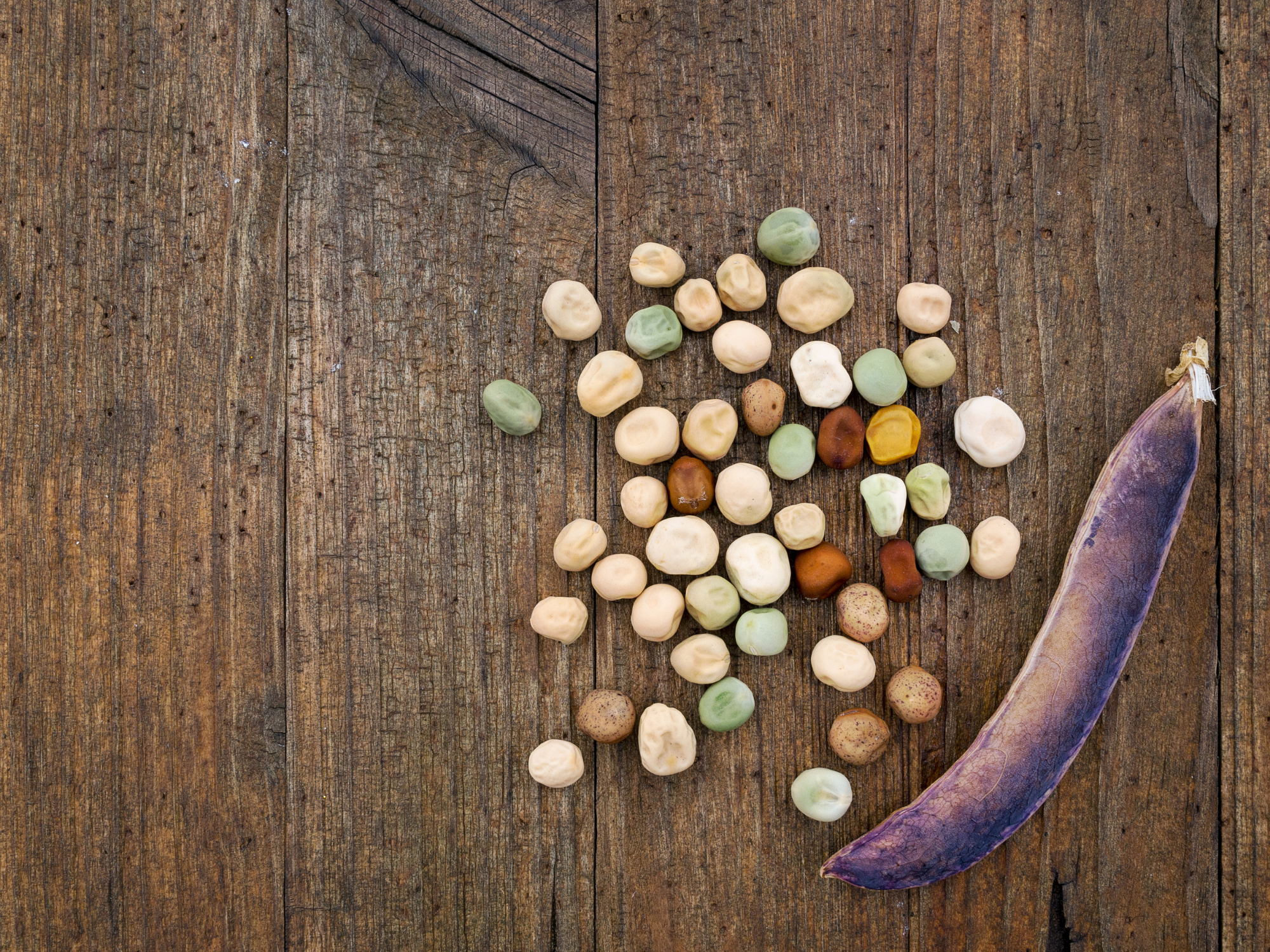
The SF&G Northern Ireland Team have released the year one report from their Food Security Through Seed Saving & Exchange project.
The project, delivered by Growing Resilience Project Officer Conor O'Kane and funded by Necessity, has...
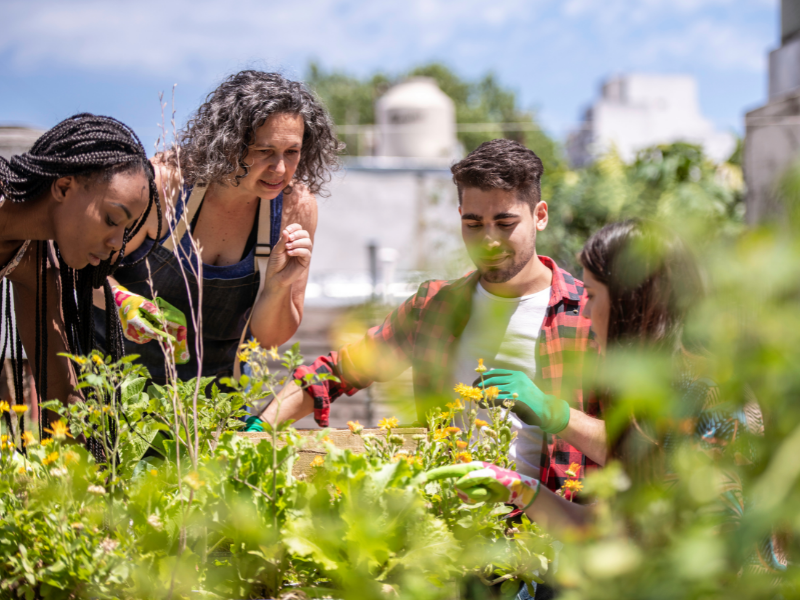
The Welsh government has released updated advice aimed at making it easier for people in Wales to grow their own food.
Social Farms & Gardens worked with the Welsh Government on the second edition of guidance for allotments and community...
SF&G is delighted to announce that a new £1.27m partnership project that will support community-led food growing spaces has received funding through the Welsh Government Rural Communities –...
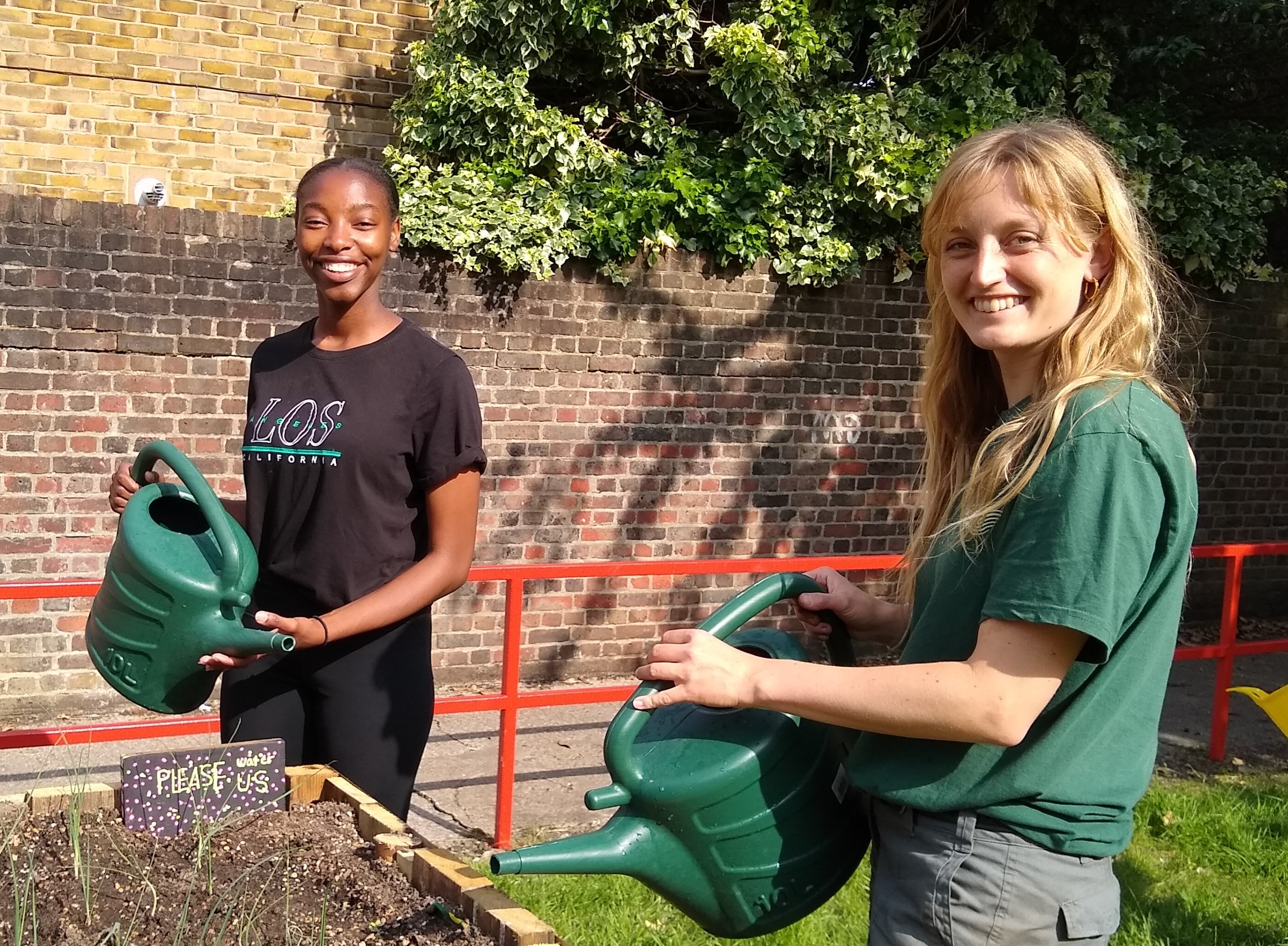
We are delighted to welcome new members of staff to our London team: Richard Choksey and Talent Moyo, who join Amber and our freelance Community Grower Ellie.
Richard comes from a background in botanical horticulture and became involved in the...
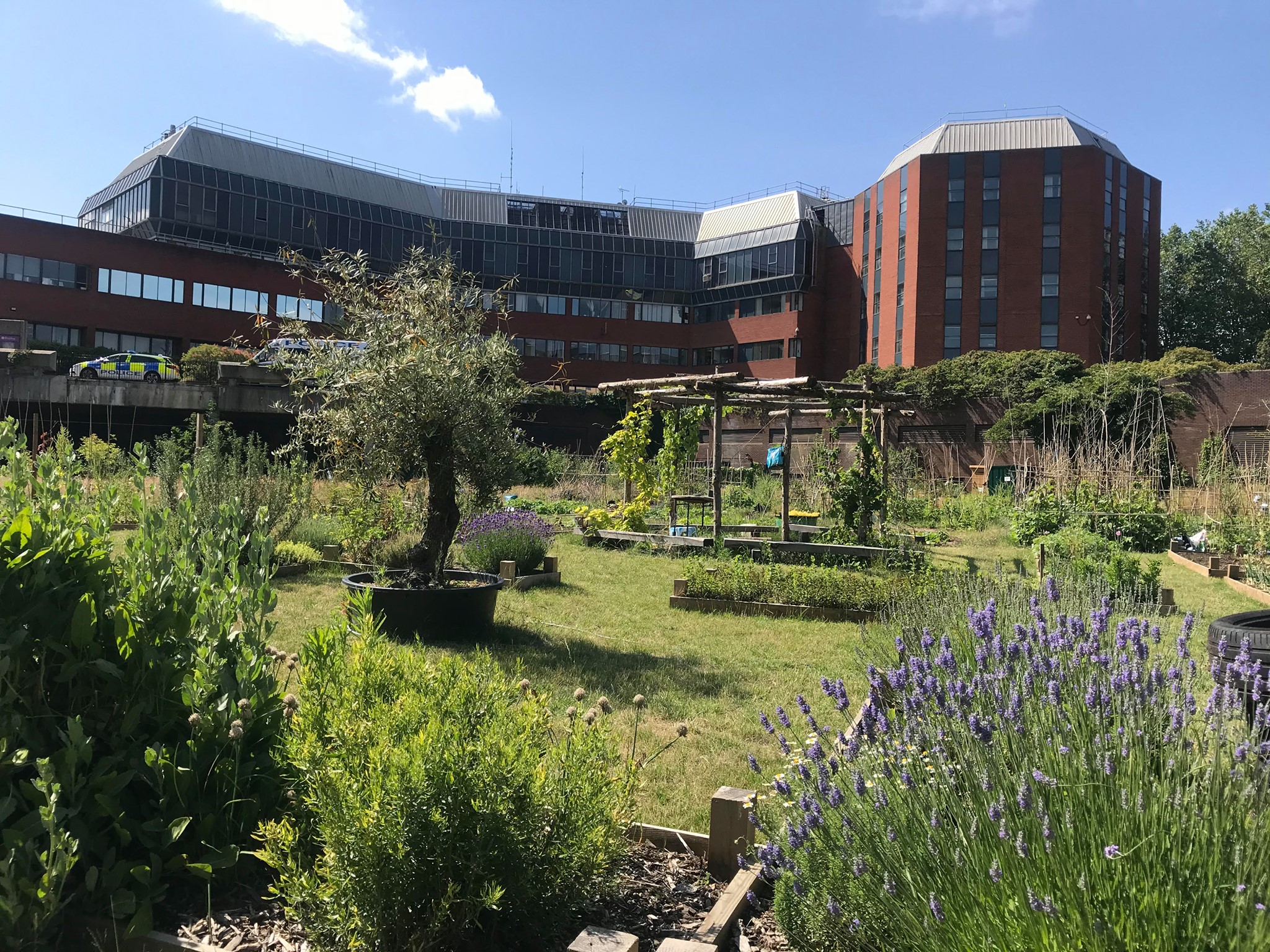
Nature's Path competition winners Lavender Place Community Garden will be unveiling their new "Nature's Path Wellbeing Garden" at a launch event on Friday 20th August in Reading.
Social Farms & Gardens partnered with Nature's Path to...
If you're a care farmer or green care provider, our care farming and green care annual survey is your chance to tell us about working in the sector.
The survey means we can build a picture of care farming and green care across the UK. The more...

Social Farms & Gardens is delighted to announce that Care Farming Development Manager Dr Rachel Bragg has been awarded an OBE in the Queen's birthday honours for services to academia and Green Care - congratulations Rachel!
Rachel has been...
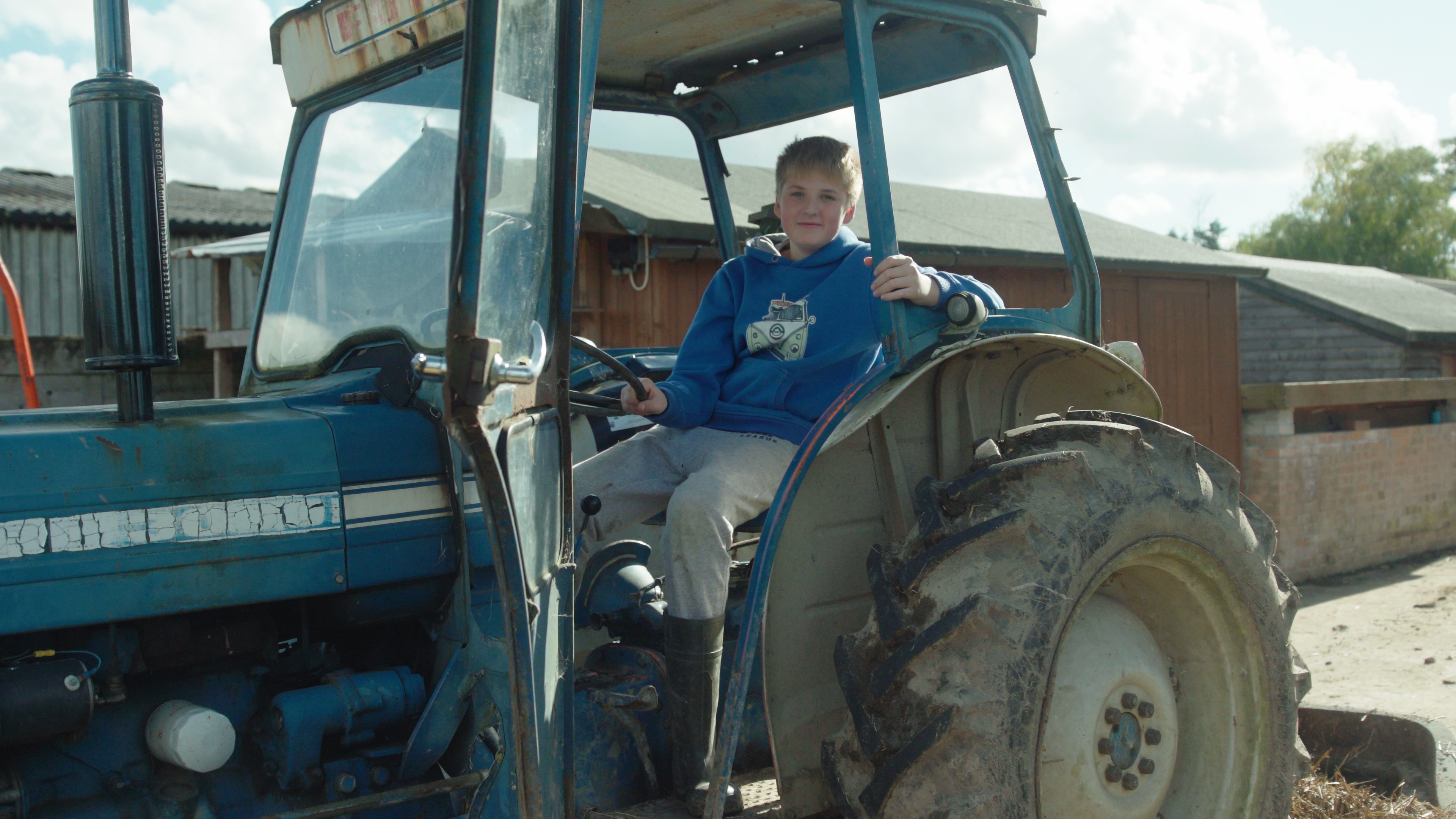
A new film from Social Farms & Gardens Growing Care Farming team highlights how care farming can help young people in education.
Care farms help people of different ages, including young people who may be struggling to learn in mainstream...

A new collaboration between Social Farms & Gardens and LEAF Education aims to make care farming more accessible for teachers and education referrers.
Care farming now has a permanent presence on the Countryside Classroom website, led by...

Once again, we are opening up our exciting competition for SF&G members to win beautifully handcrafted play equipment for you site.
Log in to find details of how to enter in our Members’ Area.
Check out our Facebook page to see...
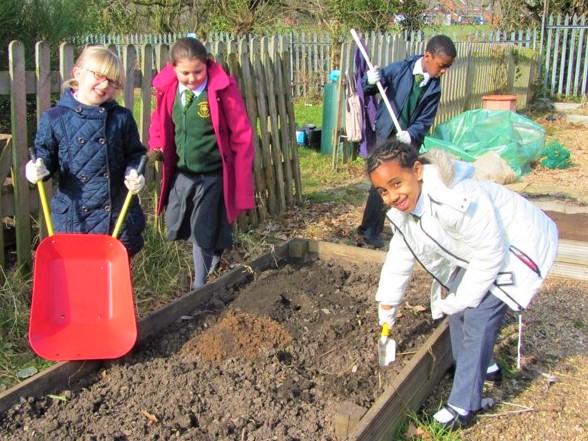
This year we are very pleased to be working with and receiving funding from the Hilden Charitable Fund to run the Children's Summer Activities Programme. This opportunity will replace Hilden Charitable Fund’s annual Playscheme Grant Programme that had...
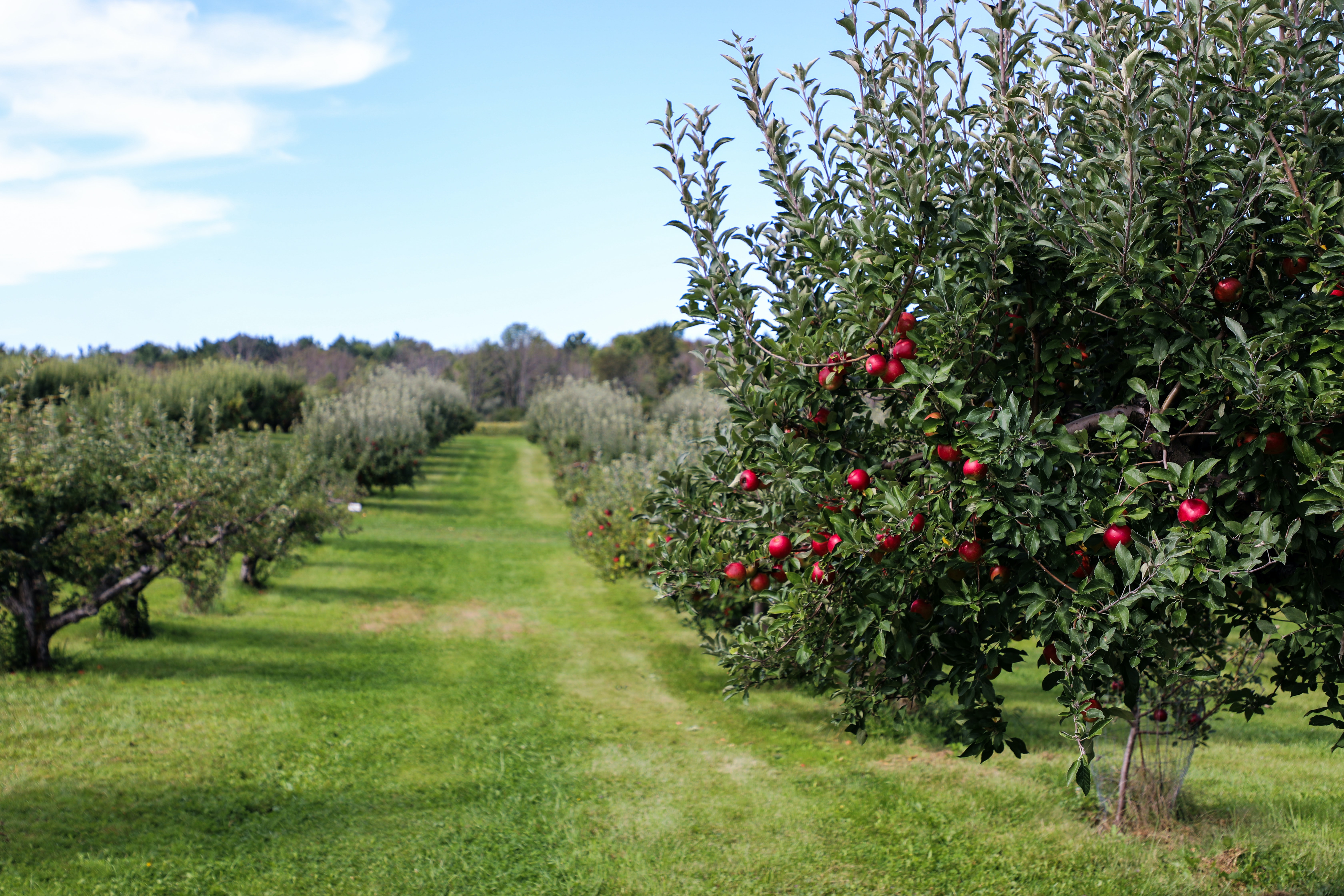
This project, funded by Welsh Government and led by Social Farms & Gardens has seen the development of 57 new community orchards across Wales in 2020. The aim of the Orchards for Wales project was to provide...

Happy #CityFarmDay!
This morning, Amber from Social Farms & Gardens featured on BBC Breakfast live from Vauxhall City Farm and chatted all things #CityFarmDay! She was...

City Farms across the UK will be taking part in the first ever City Farm Day today (Thursday 25th March 2021) after a year in which dozens of them across the country have played a vital role in...
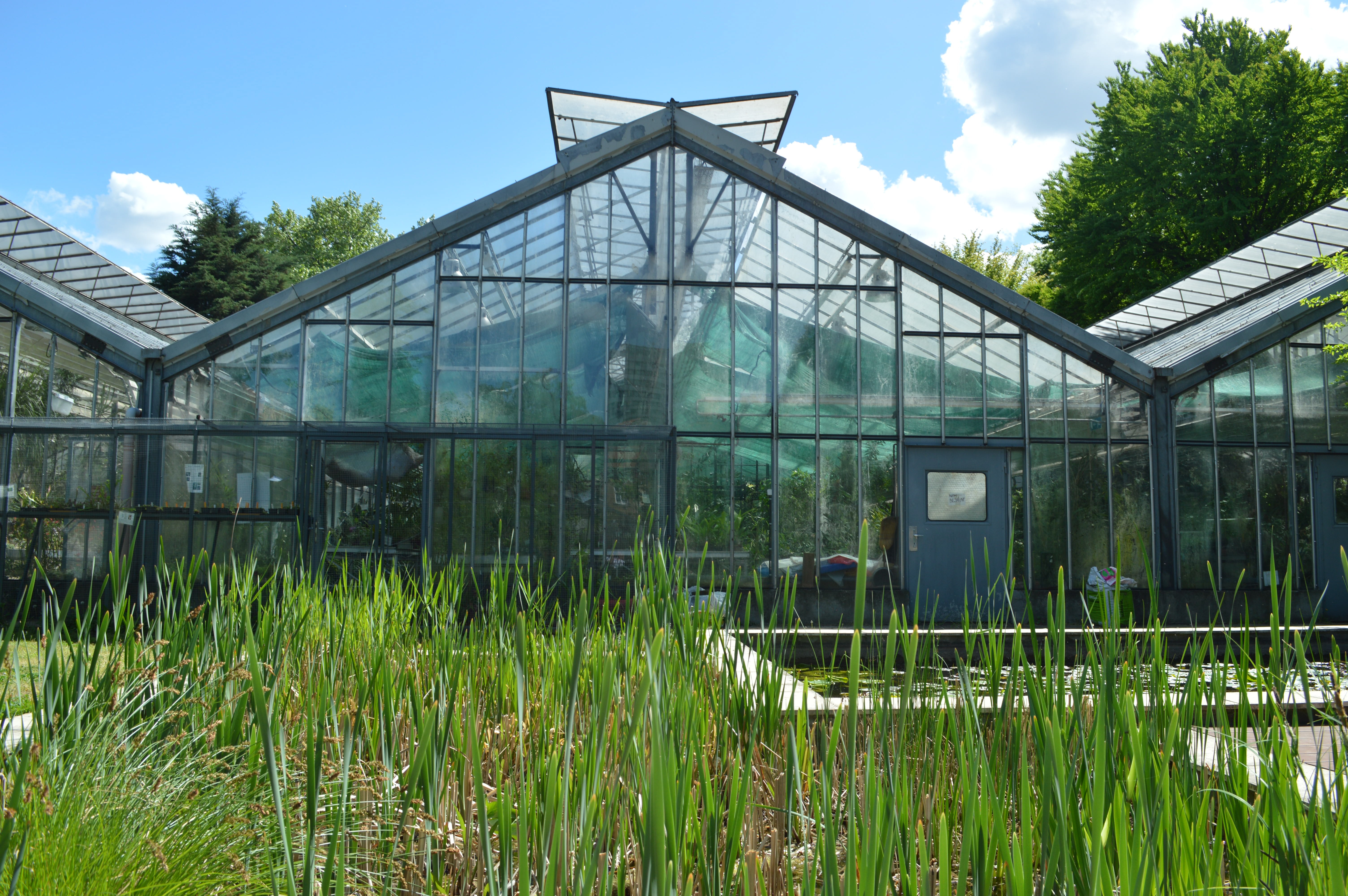
The Welsh Government has published important agricultural planning rights for allotment holders and community growers in Wales. These...

SF&G Scotland have launched a new report that examines the state of the sector a year into the COVID-19 pandemic.
The community growing sector’...
Our Growing Care Farming team have launched the second in of a series of films, created to show how care farming transforms people’s lives.
The second film in the series focuses on care farming for social...

The COVID-19 pandemic has had an unprecedented global impact and we want to ensure we support our members, as we look forward to moving out of this difficult time.
We’ve developed a short survey that builds on the one we ran in April/May 2020...
Care farming is the therapeutic use of farming practices. Service users regularly attend these care farm as part of a structured care, rehabilitation, or special educational programme. Service users vary hugely, from older people living with dementia...
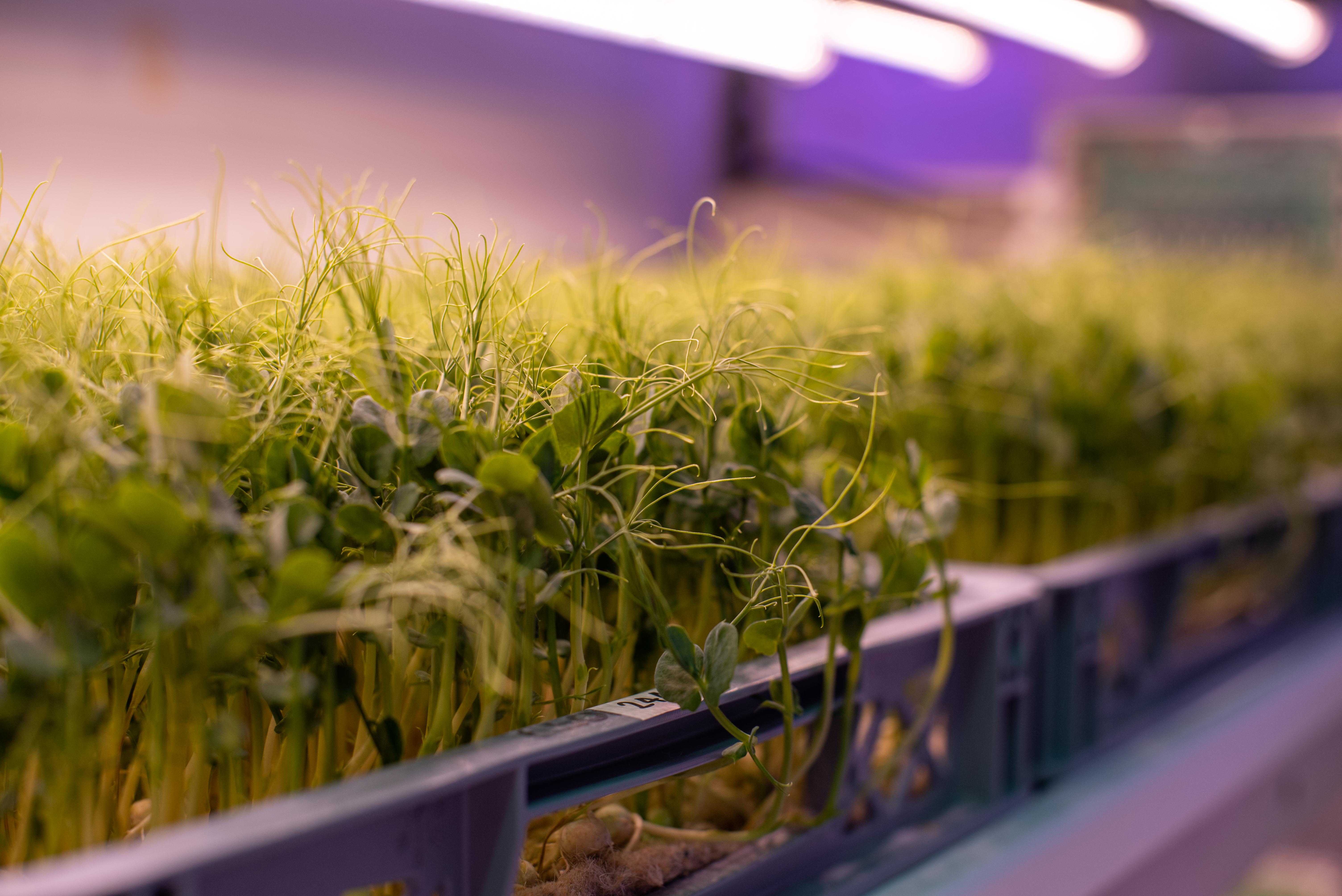
Mae Amaethyddiaeth yr Amgylchedd a Reolir (CEA) yn broses sy'n...
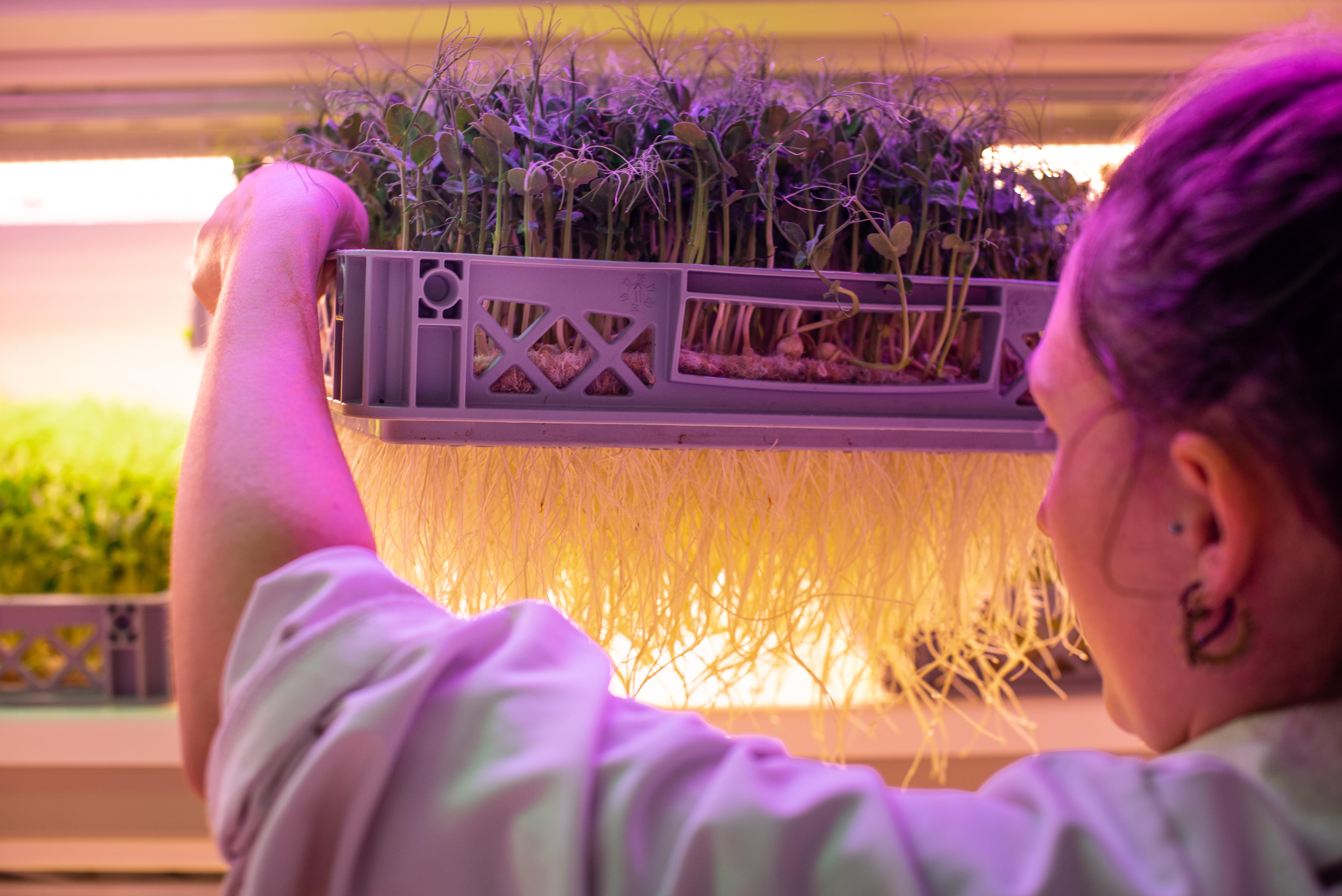
Controlled Environment Agriculture (CEA) is a process that combines plant...
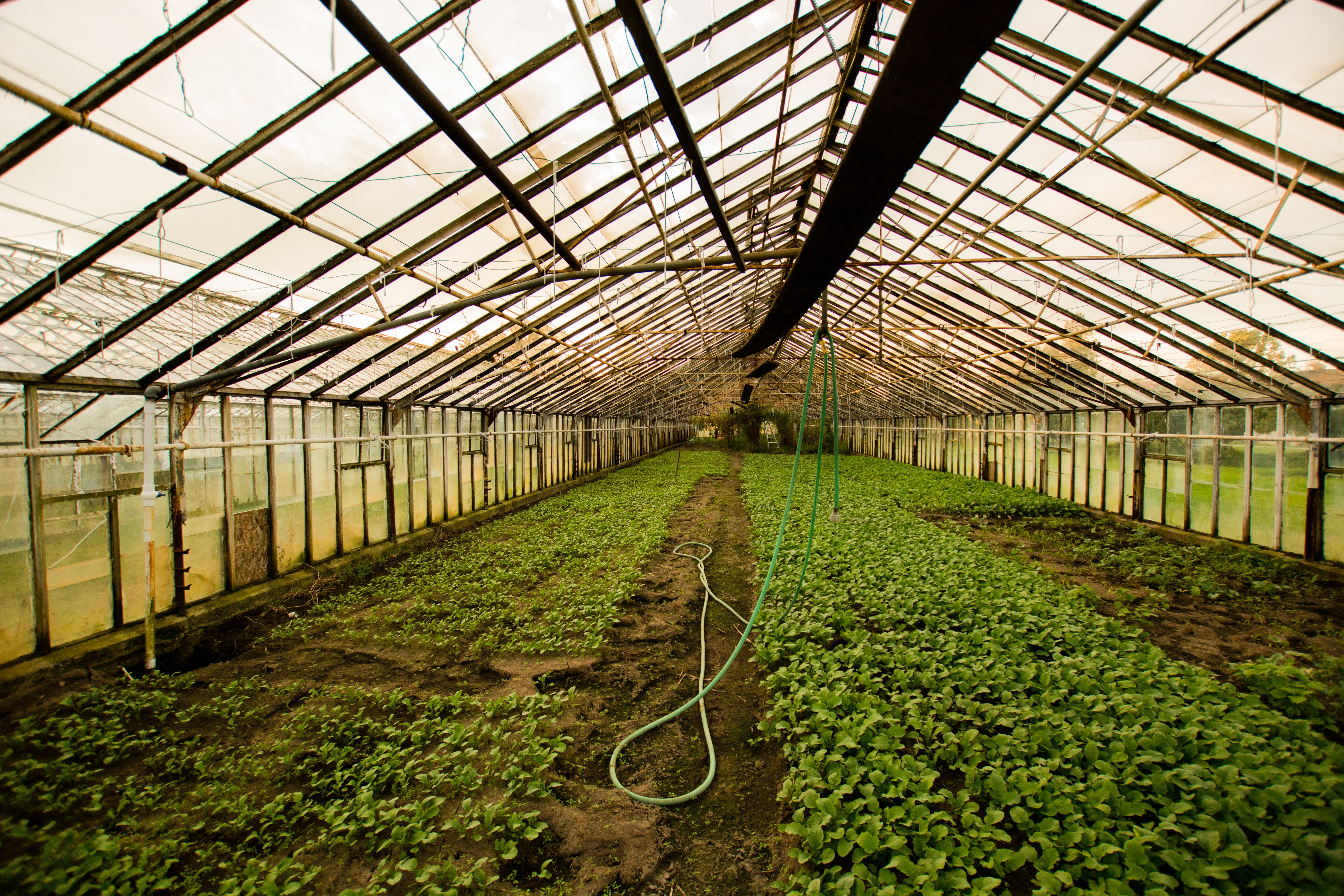
With more and more people interested in and participating in food production, and with growing at home at an all-time high due to COVID-19, now is a great time for small horticultural businesses to expand their ventures.
To help grow smaller...

Social Farms & Gardens are delighted to announce that The Prince of Wales has chosen to extend his Patronage of the charity. The Prince of Wales has always taken a keen interest in our work to support communities to farm, garden and grow together...
Read our newly published blog in the Urban Agricultural Magazine today! In collaboration with the University of Kent, and as part of the FEW Meter programme, the blog examines how when the UK went into lockdown in March, many community gardens stepped...
A new support package designed to increase allotments in areas of Wales where they most needed has been announced today by Social Farms &...
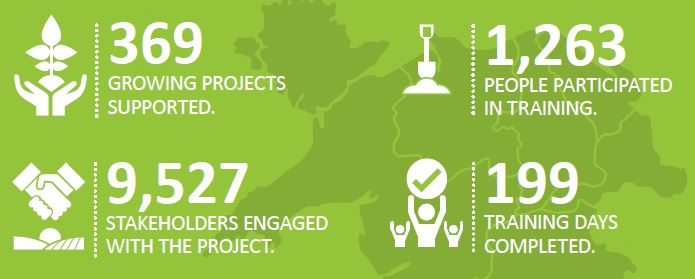
Our 3-year Rural Development Programme funded project ‘Tyfu Fyny’ has now come to an end. It’s been a fantastic 3 years and during that time we have got to know the community growing...
'The Resilience of the Community Growing Sector in Northern Ireland' Report has been published this week and is now available to view.
The report was completed by Social Farms & Gardens in June 2020 during the Covid 19 pandemic and ...
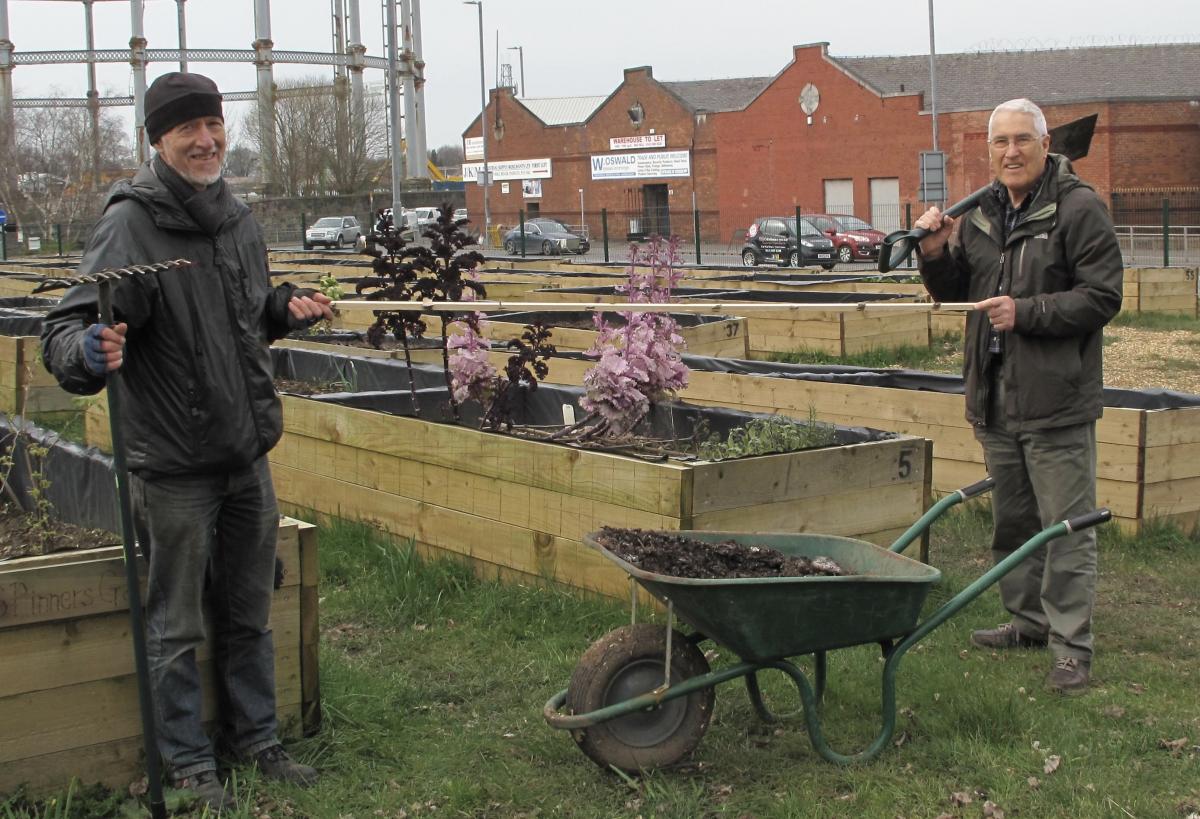
Lockdown has presented everyone with huge challenges. Here are some of the ways that our members are rising to meet this challenge and learning how to do things in new ways in order to stay connected with their communities...
Over the past few weeks our COVID-19 member impact survey has already collected a huge number of responses from our members across Scotland, Ireland, Wales and England. The responses received so far indicate that across the country members have been...

We are all facing an unprecedented period of difficulty and disruption caused by the current coronavirus crisis. As the situation develops we want you to know that we are here. We have developed a dedicated Corona COVID -19 section of our website...

As part of our 40th Anniversary celebrations we’ve partnered with experienced and specialist insurance broker, McClarrons to deliver a special event to help these essential community spaces to secure the right insurance. The event has been postponed...
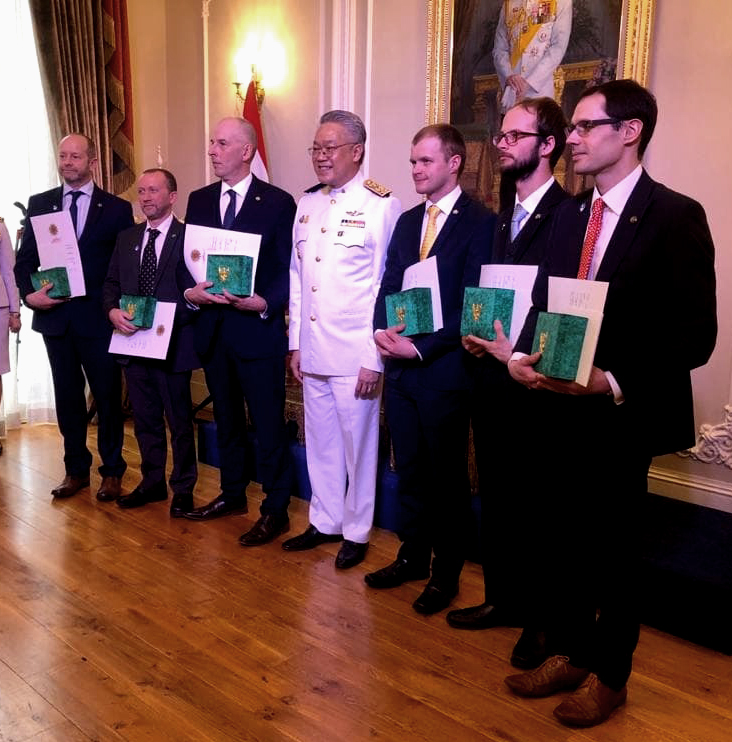
On Monday this week our very own SF&G Wales Manager Gary Mitchell (also of South and Mid Wales Cave Rescue Team, and Assistant Chair to the British Cave Rescue Council) was awarded a Royal Decoration of the Kingdom of Thailand at a ceremony in the...
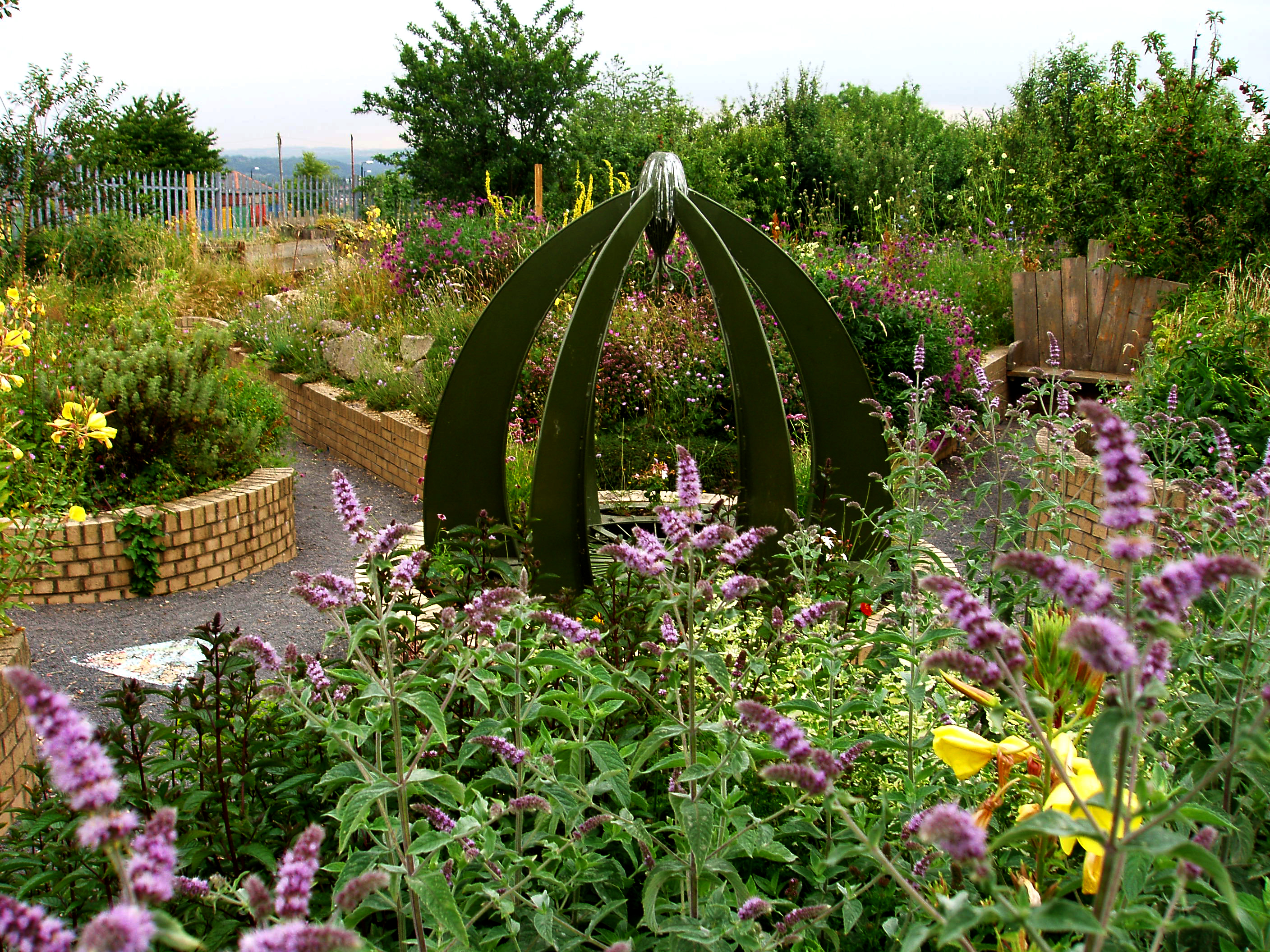
As part of our 40th Anniversary, we are celebrating the breadth, variety and impact of our incredible members through sharing 40 stories with a different theme each month.
Our first story comes from Scotswood Natural Community Garden. ...
This year Social Farms & Gardens are celebrating 40 years of farming, gardening and growing together.
2020 will be packed full of activities to celebrate the 40th. From monthly events UK wide including the European Federation of City Farms...

London culture magazine 'Huck' has its finger on the pulse for community matters in London. This month they interviewed Social Farms & Gardens for their article 'Force of nature: the battle to save London’s green spaces'.
Writer Jessica...
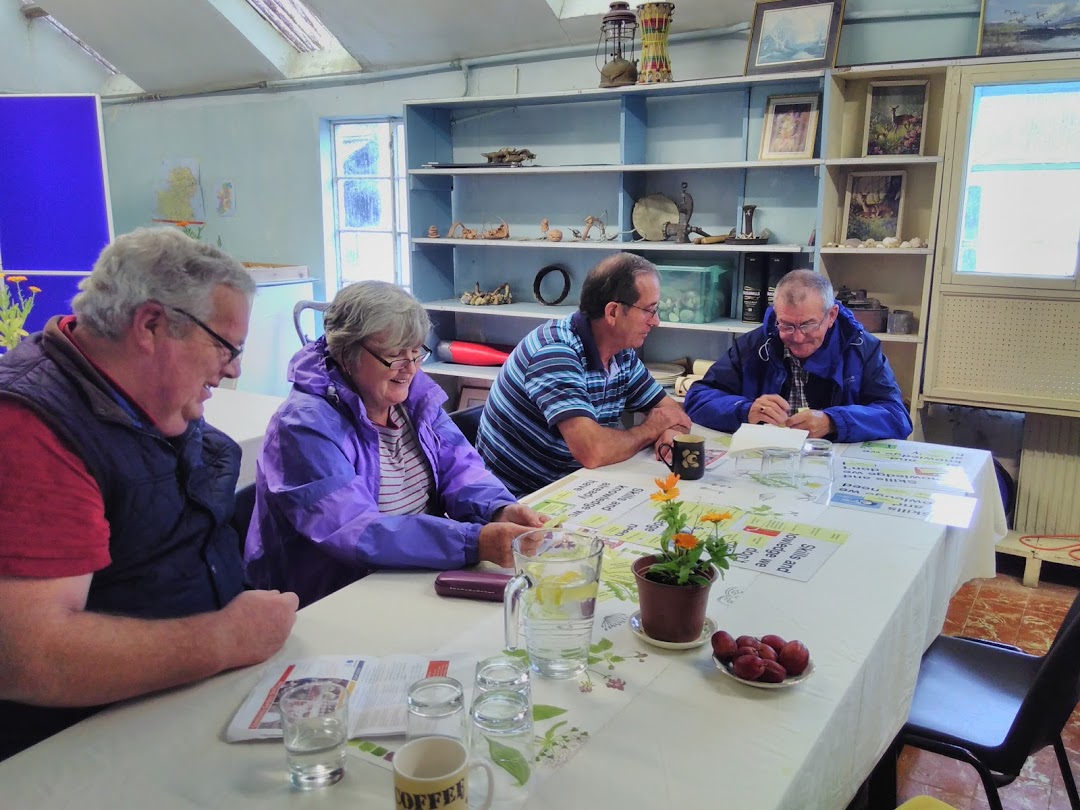
Great news for the Social Farms & Gardens project ‘Growing Resilience’ this month, as additional funding from the lottery is confirmed. This important funding will enable the charity to expand the project, supporting even more community gardens in...
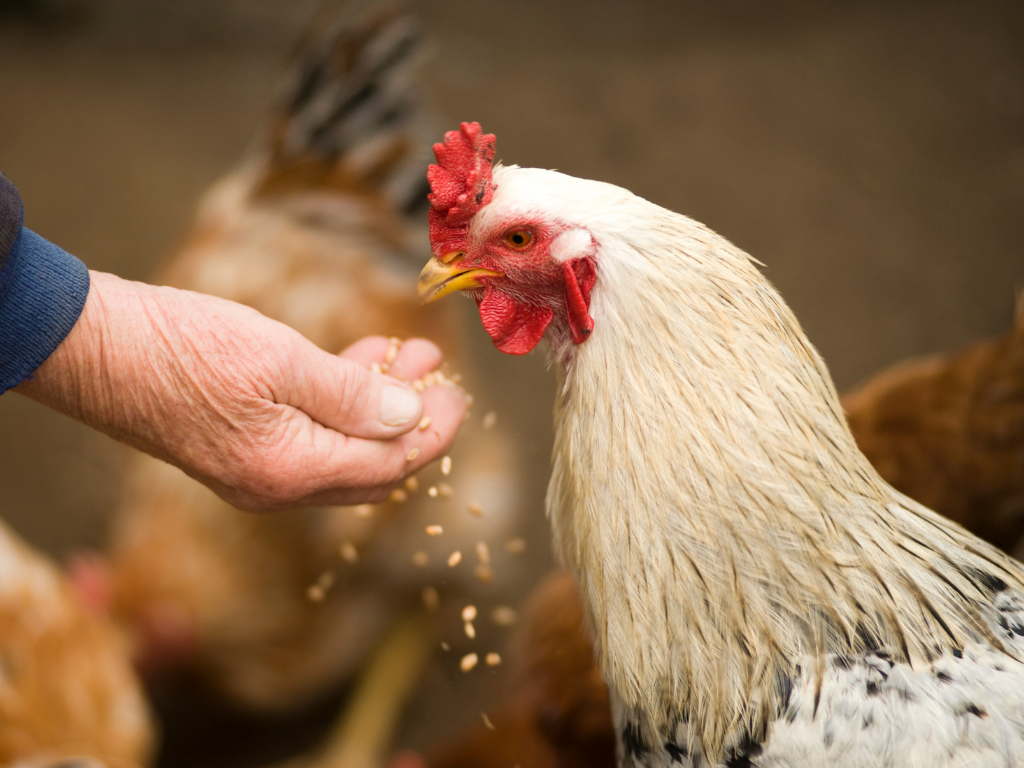
Social Farms & Gardens have launched a £1.4 million project which aims to significantly increase the number of care farm places available each year.
Natural England hosted the launch of the Growing Care Farming project at the Royal Over-...
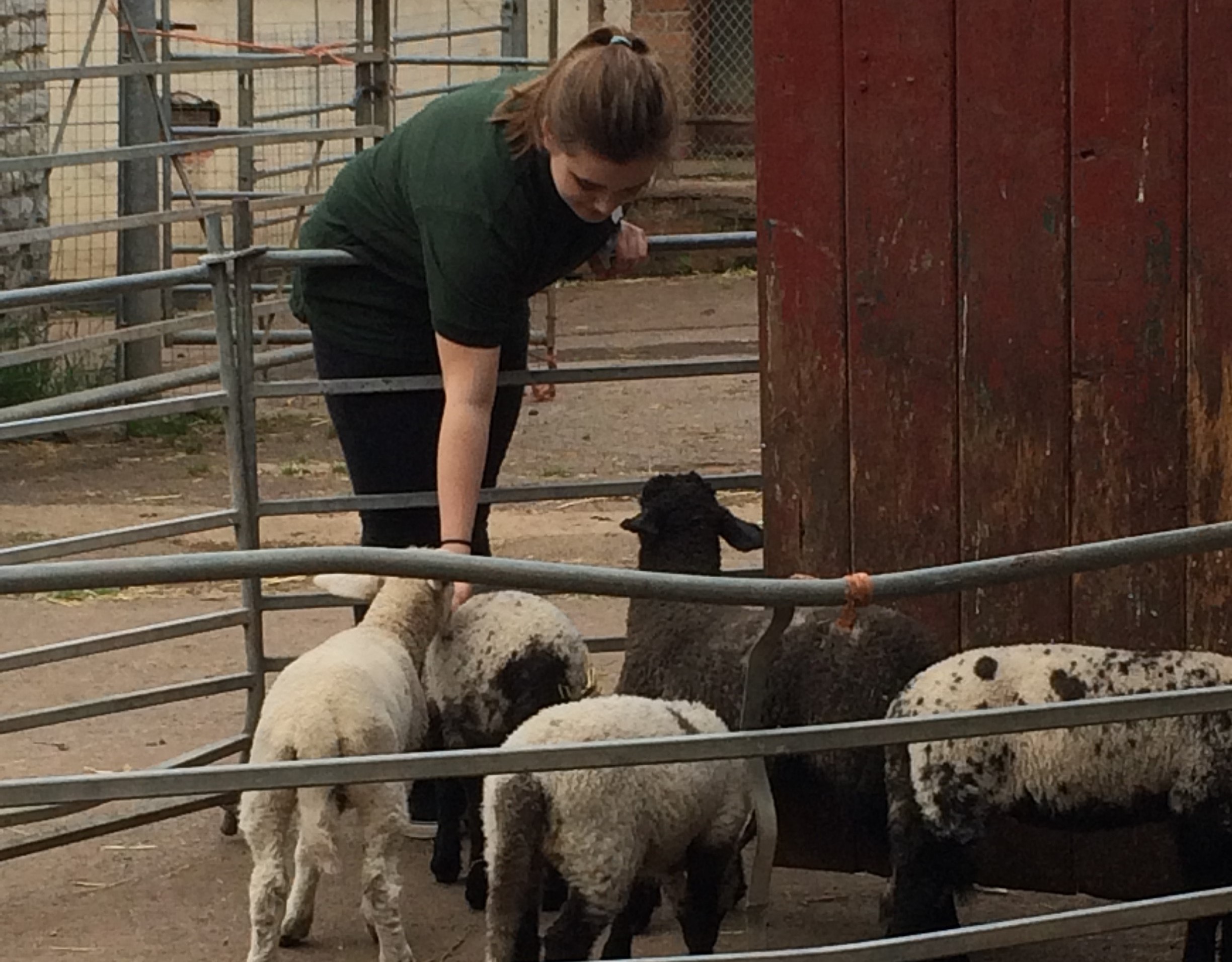
We are delighted to announce that Social Farms & Gardens has been selected to lead the 'Growing Care Farming' Project.
This project is part of the £10m Children and Nature Programme being supported by Defra, funded by the Department of...

For many people arriving to seek asylum in the UK, community growing spaces can offer vital and unique opportunities to find community, improve mental and physical health and to learn and share skills. These resources have been designed to encourage...
Social Farms & Gardens has contributed to a Defra consultation on the future of food, farming and the environment in England, emphasising the role that city farms, care farms and community gardens already play in benefitting people and places -...
Growing Better Lives 2018, a conference exploring and celebrating the links between community growing, care farming, health and wellbeing took place in Manchester in April 2018, sponsored by The Mayfield Partnership.
Aimed at community growing...
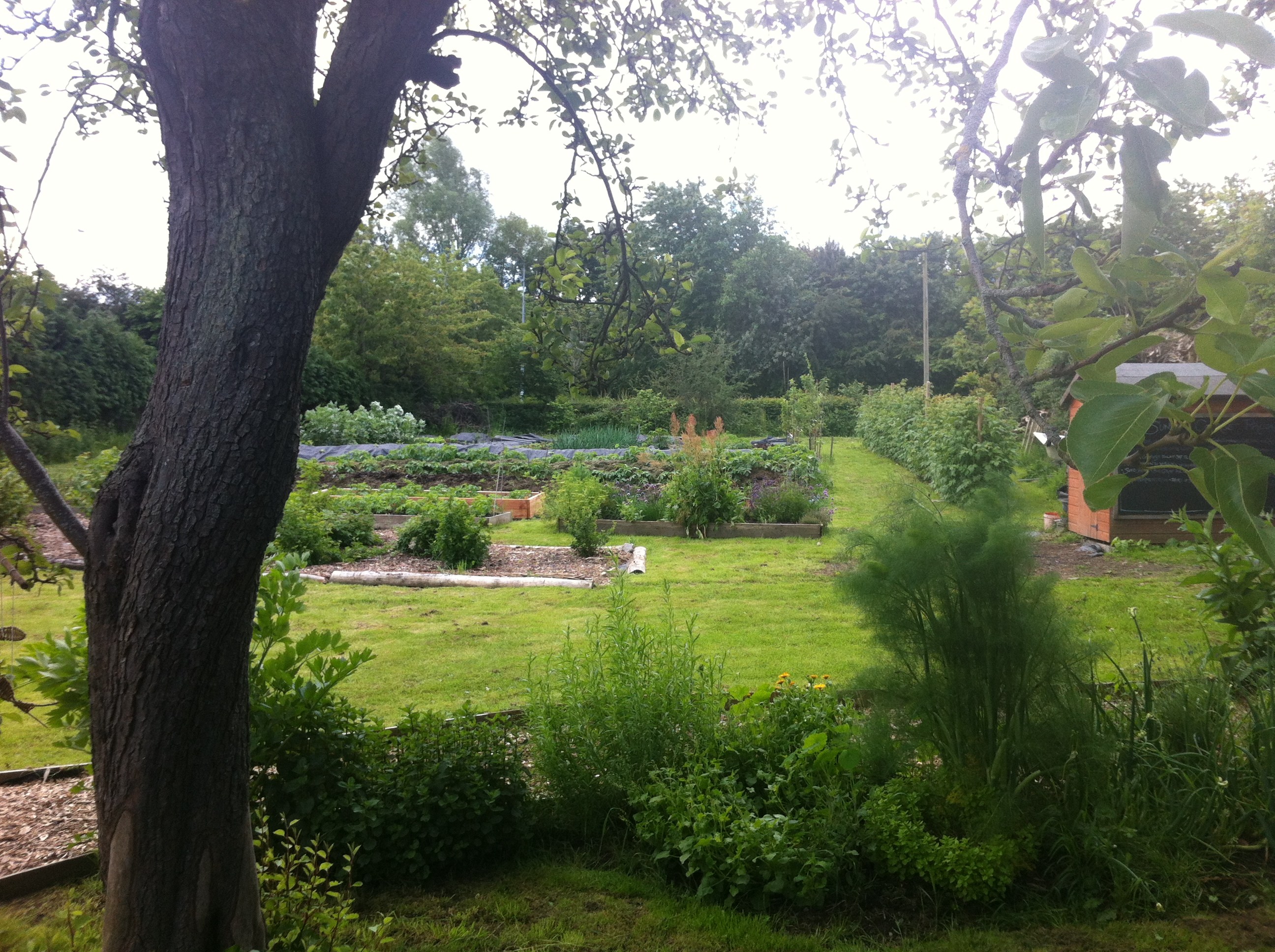
CLAS Cymru, the community land initiative managed by the Federation of City Farms and Community Gardens, has helped support a consortium of locally based volunteers, community enterprises and organisations in Newtown, Powys, to secure a £1.1 million...
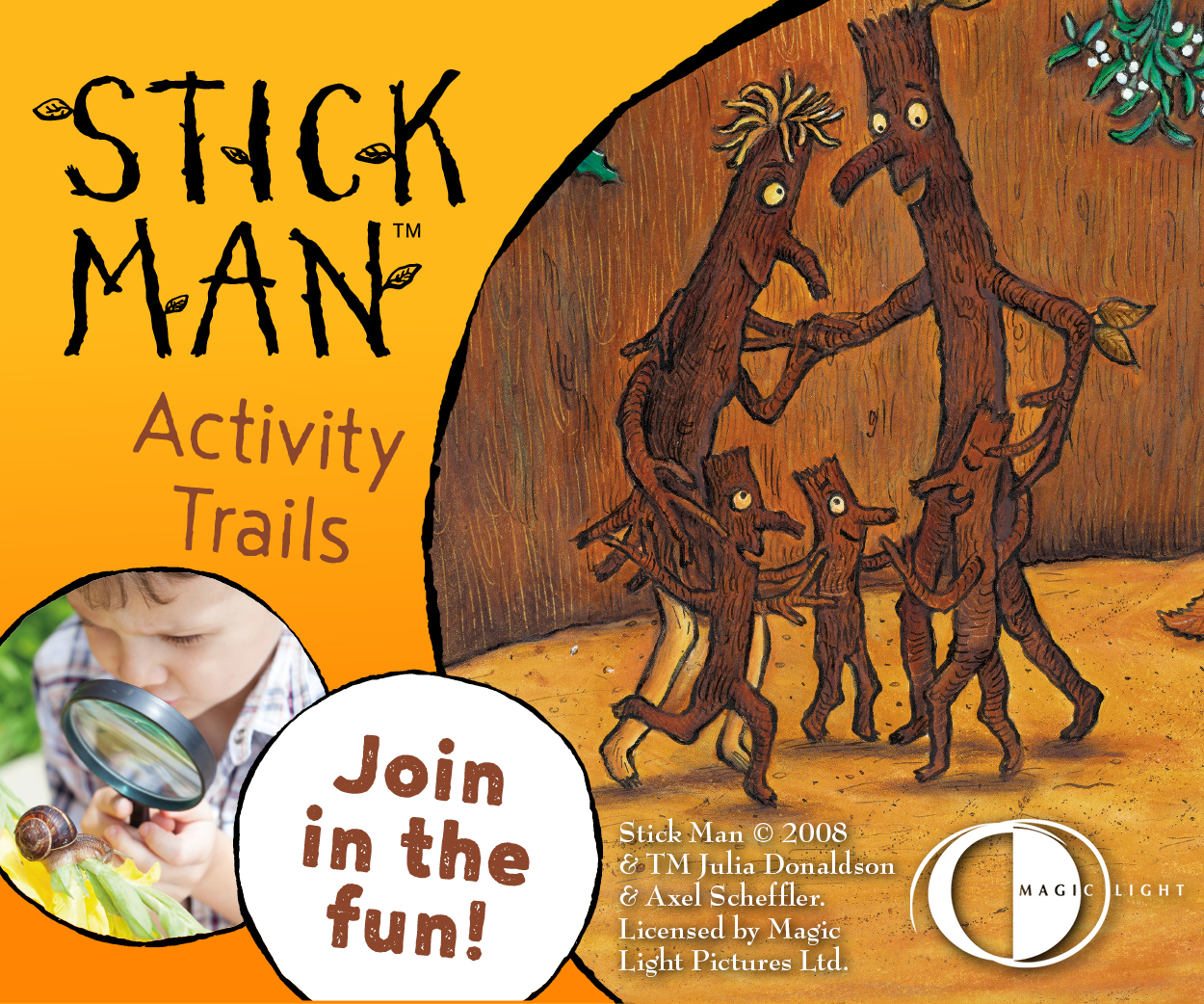
Popular picture book character Stick Man is teaming up with local community groups across the UK to encourage urban children to get outdoors and explore the natural world. Fun-filled activity trails have been opened at five community growing sites...
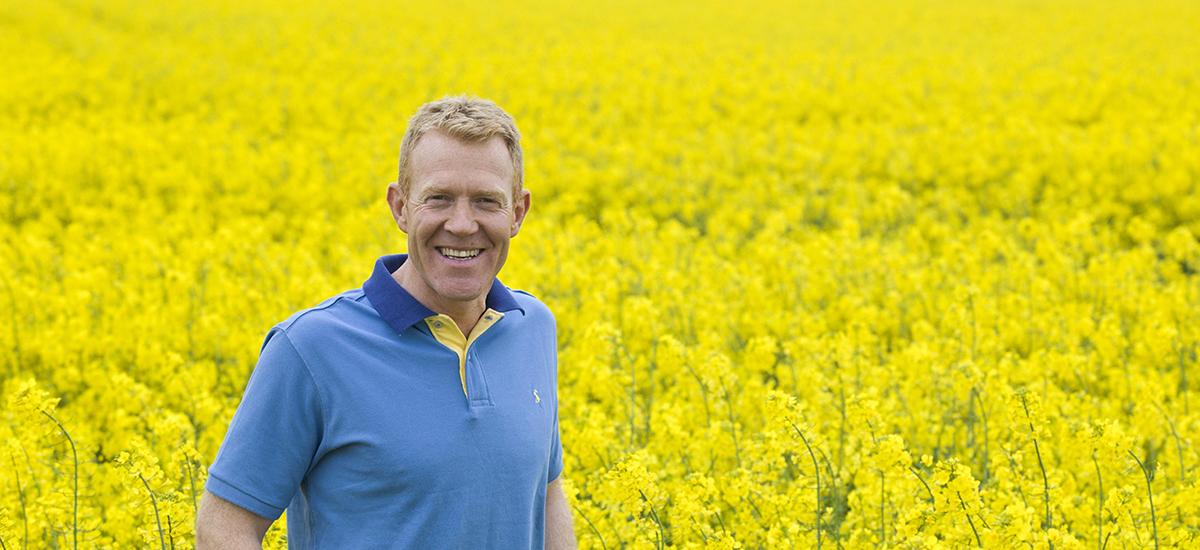
Farmer and TV presenter Adam Henson called on the agricultural sector to support the use of the farming environment in education to help create the next generation of people entering rural careers, at a recent conference to promote school farms and...

A new Natural England-funded project to demonstrate the enormous benefits of outdoor learning to children and develop a model(s) of using ‘hub’ schools to support and deliver teacher training, is now available.
The project, which is funded by...
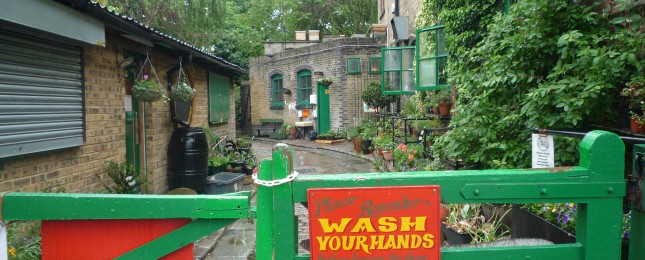
Urban green spaces, including city farms and community gardens, are not being used enough to help people living with dementia and their carers, according to a new report from Natural England.
In one of the biggest surveys of its kind so far,...
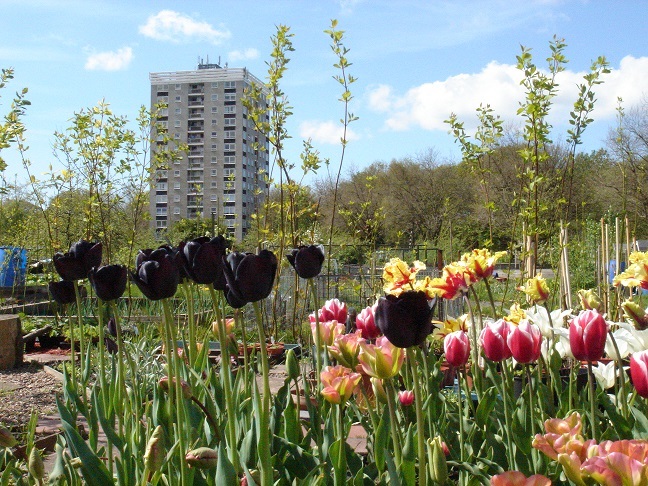
A major new report shows compelling evidence that the ‘green care’ offered by many Federation of City Farm and Community Gardens members can help people with mental ill-health and contributes to a reduction in levels of anxiety, stress and depression...
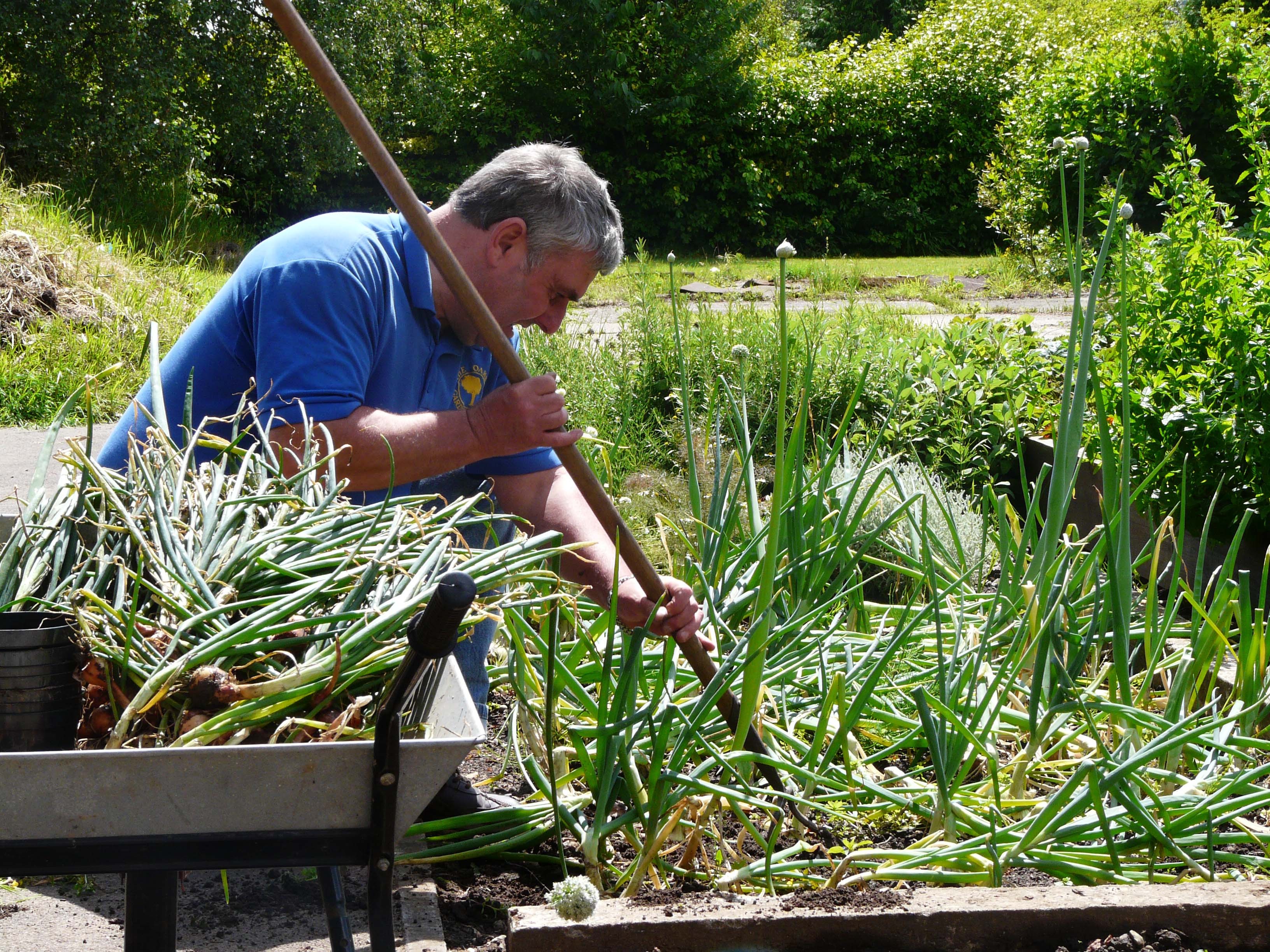
A new study has shown that just 30 minutes of gardening a week has a beneficial effect on mental health.
Researchers from Westminster and Essex universities questioned 269 gardeners and non-gardeners with the former describing their feelings...
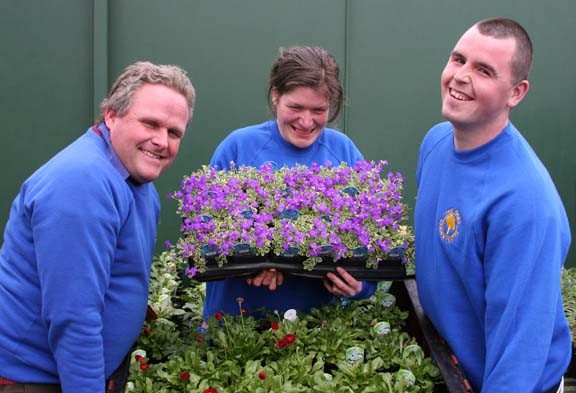
A new report produced by FCFCG shows that involvement in community growing can act as a ‘powerful tool’ to help vulnerable people, bring communities together and encourage people to adopt greener and healthier behaviours.
FCFCG has produced a...
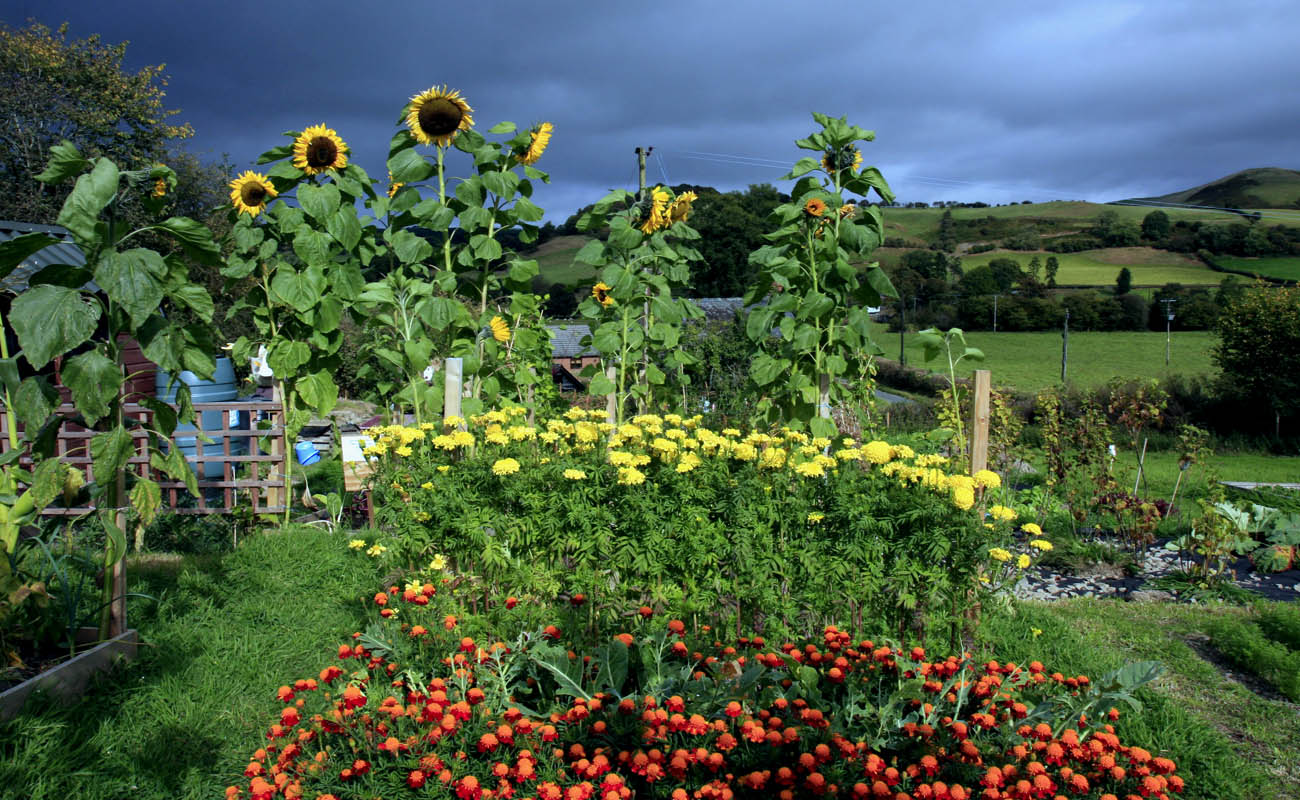
A Glasgow University study on community gardens in the city, including three Federation of City Farms and Community Gardens (FCFCG) members, has outlined their positive effect on individuals and communities.
Glasgow’s Community Gardens:...